2014 Pokemon.com
增田顺一谈宝可梦音乐创作
Game Freak的增田顺一回顾二十多年游戏作曲经历、创作过程与宝可梦原声带的制作。
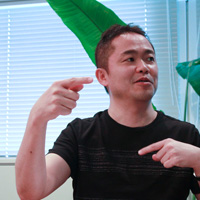
GAME FREAK’s Junichi Masuda is probably best known for his work as a game director, most recently on Pokémon X and Pokémon Y. But he began as, and continues to be, a gifted musical composer responsible for much of the iconic Pokémon game music that fans know by heart. To mark the launch of the Pokémon soundtracks on the iTunes Store, we had the opportunity to talk with Mr. Masuda about his more-than-20-year history with video game composition, his creative process, the production of the Pokémon game soundtracks, and much more.
GAME FREAK的增田顺一最为人熟知的身份大概是游戏总监,最近的作品是《宝可梦 X·Y》。但他最初是一名、并且至今仍是一名天赋出众的音乐作曲家,粉丝们烂熟于心的许多经典宝可梦游戏音乐都出自他手。为纪念宝可梦原声带在iTunes Store上线,我们有机会与增田先生聊了聊他二十多年的电子游戏作曲经历、他的创作过程、宝可梦游戏原声带的制作,以及更多内容。
Music has always been a part of Mr. Masuda’s life, even from an early age. His first memories of music stretch back to age 9, when he got a cassette player from his parents. “I first listened to rock and roll music. I’m not really sure who it was…it may have been American rock and roll. I just remember thinking it was really cool at the time,” he says.
音乐一直是增田先生生活的一部分,甚至从很小的时候就开始了。他对音乐最早的记忆可以追溯到9岁那年,父母给他买了一台卡带播放器。他说:“我最早听的是摇滚乐。我不太确定是谁的……可能是美国摇滚乐。我只记得当时觉得那真的很酷。”
Soon after, his interests turned closer to home when he developed an interest in the Japanese techno group Yellow Magic Orchestra, or YMO. The innovative group has made a big impression on musicians, including pop, hip hop, and house music performers, for nearly 40 years. It’s easy to see how Mr. Masuda found his way into video game composition—much of YMO’s music is very reminiscent of the sounds of early video games.
不久之后,他的兴趣转向了更贴近本土的音乐,开始喜欢上日本电子乐团Yellow Magic Orchestra,简称YMO。近40年来,这支富有创新精神的乐团给众多音乐人留下了深刻印象,其中包括流行、嘻哈和浩室音乐人。不难看出增田先生是如何走上电子游戏作曲之路的——YMO的许多音乐都让人很容易联想到早期电子游戏的声音。
“YMO used a lot of synthesizers. I remember hearing the sound of those synthesizers for the first time and thinking it was so cool, and I really wanted to get one of my own. I took my parents with me to get my first synthesizer. It was a Korg MS-10, a really simple synth,” Mr. Masuda says. This first musical instrument provided him with a gateway into actually making music, or at least into understanding the sounds of music. “At first I really was just kind of copying the music I liked, like YMO, Ultravox, and the Human League,” Mr. Masuda says. “I’d be hanging out with friends and we’d try to copy the sounds that we heard. It probably was a few years later, when I was about 14, that I started to make my own songs.”
增田先生说:“YMO用了很多合成器。我记得第一次听到那些合成器的声音时,觉得太酷了,特别想拥有一台自己的。我带着父母去买了我第一台合成器。那是一台Korg MS-10,非常简单的合成器。”这件最初的乐器为他打开了真正制作音乐、或者至少是理解音乐声音的大门。增田先生说:“一开始我真的只是在模仿我喜欢的音乐,比如YMO、Ultravox和The Human League。我会和朋友们一起玩,试着模仿我们听到的声音。大概几年后,我14岁左右,才开始创作自己的曲子。”
Like many musically inclined kids his age, Mr. Masuda joined his high-school band, where he played trombone. He also played synthesizer with a group of friends and composed songs for them to perform. Even with all that musical exposure, he didn’t really see a clear path to being a professional musician. “I knew I was interested in music, but I wanted to have it remain a hobby,” Mr. Masuda says.
和许多同龄的、有音乐天赋的孩子一样,增田先生加入了高中的乐队,在乐队里吹长号。他还和一群朋友一起弹合成器,并为他们创作演奏的曲子。尽管有这么多音乐方面的经历,他并没有真正看到一条成为职业音乐人的明确道路。增田先生说:“我知道自己对音乐感兴趣,但我希望它保持为一项爱好。”
Despite this early interest and acumen in music, Mr. Masuda’s attention moved away from that field and into another area that would guide his career path. “I knew how difficult to it was to make a living in the music industry, so that’s why I decided to go toward computer graphics and kept music as a hobby. Computer graphics were also a big emerging industry at the time, so after high school I went on to a technical school to study it,” Mr. Masuda says. The combination of musical talent and computer graphics training proved to be important skills for his entire career.
尽管早年就对音乐有兴趣和悟性,增田先生的注意力还是离开了这一领域,转向了另一个指引他职业道路的方向。增田先生说:“我知道在音乐行业谋生有多难,所以我决定转向计算机图形学,把音乐当作爱好。计算机图形学当时也是一个蓬勃发展的新兴行业,所以高中毕业后我去了一所技术学校学习它。”音乐才华与计算机图形学训练的结合,后来被证明是他整个职业生涯中重要的技能。
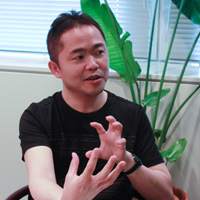
The drift away from his musical interests didn’t last long. At age 19, he met Pokémon creator Satoshi Tajiri, the man who would go on to found GAME FREAK. “Mr. Tajiri had started working on an NES game that was called Mendel Palace in the United States, and he asked me to make the music for the game. It sounded fun, and I was just a student at the time, so I decided to go for it,” Mr. Masuda says. He considers Mendel Palace a good first project for the way it wove the gameplay and music together. “When you moved, the music would play; when you stopped, the music stopped,” he explains.
他偏离音乐兴趣的时间并没有持续太久。19岁时,他遇到了宝可梦的创造者田尻智,也就是后来创办GAME FREAK的人。增田先生说:“田尻先生当时已经开始制作一款在北美叫Mendel Palace的NES游戏,他请我为这款游戏作曲。听起来很有趣,而且我当时只是个学生,所以我决定试一试。”他认为Mendel Palace是一个很好的首个项目,因为它把玩法和音乐结合在了一起。他解释说:“你一移动,音乐就播放;你一停下,音乐就停止。”
Making music on video game systems in that day could be difficult, but Mr. Masuda relished the challenge. “Obviously there were a lot of limitations with the hardware and the number of sounds it could create,” Mr. Masuda says. “The NES had only three sound channels, so I would study a lot of three-voiced compositions, like those from Bach, and try to figure out how you could make that kind of music on the NES. Bach’s music sounds very beautiful without being complex. I really found the challenge of making music that would fit with games to be quite fascinating, and this feeling contributed to the start of my career.”
在那个年代,在电子游戏系统上制作音乐可能很困难,但增田先生乐于接受这种挑战。增田先生说:“显然,硬件以及它能产生的声音数量有很多限制。NES只有三个声音通道,所以我会研究很多三声部作品,比如巴赫的曲子,试着弄清楚如何在NES上做出那样的音乐。巴赫的音乐并不复杂,却非常优美。我真的觉得创作与游戏相配的音乐这一挑战非常吸引人,这种感觉促成了我职业生涯的起步。”
Mr. Masuda’s early experiences in game composition have stuck with him throughout his career. “I remember my earliest games like Mendel Palace. I’d listen to Stravinsky and it sounded heavy and cool, but the music in this game was a more lighthearted, fun-filled style. It was a challenge and something I learned a lot from,” he says. Another memorable game was Pulseman, which came out on the Sega Mega Drive (known in the United States as the Sega Genesis). “We went with more of a techno sound for the game, so it was a genre I had a lot of experience. Another unique aspect of that game was that the hardware featured a FM synthesizer, so I also had to do some programming work.”
增田先生早期在游戏作曲方面的经历贯穿了他的整个职业生涯。他说:“我记得我最早的游戏,比如Mendel Palace。我听斯特拉文斯基,觉得沉重又酷,但这款游戏里的音乐是更轻松、更充满乐趣的风格。那是个挑战,我也从中学到了很多。”另一款令人难忘的游戏是《脉冲超人》,它发行于世嘉Mega Drive平台(在北美称为Sega Genesis)。“我们为这款游戏采用了更多电子乐的声音,所以那是我很有经验的一种风格。那款游戏的另一个独特之处在于,硬件配备了FM合成器,所以我还得做一些编程工作。”
The first Pokémon games presented challenges that were different from previous projects. The games were being developed simultaneously with the sounds and music, so Mr. Masuda had to imagine what a scene would sound like. “Sometimes I’d have a visual effect that I could match the music to, like the little falling sound before the battle begins. We also had to work on timing, such as making sure the music doesn’t start until the Trainer throws out his or her Poké Ball.”
最初的宝可梦游戏带来了与以往项目不同的挑战。这些游戏的声音和音乐是与游戏同步开发的,所以增田先生必须想象某个场景听起来会是什么样。“有时我会先有视觉效果,再据此配上音乐,比如战斗开始前那个小小的下落音效。我们还必须在时机上下功夫,比如确保在训练家抛出精灵球之前音乐不会响起。”
Years of music composition for video games has given Mr. Masuda insight into the process. One of his most important lessons: listen to a lot of different music. “By the time I was about 20, I had over 1,000 CDs in a wide variety of genres—music from around the world, from traditional Japanese called gagaku, taiko music, Gamelan [traditional Indonesian ensemble music], European classical, rock, jazz, techno…and it all culminated into my own unique style,” he says. And plenty of classical music had influenced his compositions. Despite stating a preference for more traditional classical composers, he says he’s always been inspired by Stravinsky. “I was really into him, liked his work, like the Rite of Spring and the Firebird. A lot of people might find him too niche or avant garde compared to Bach or Mozart, for example. I read Stravinsky’s autobiography and musical scores, too.”
多年的电子游戏作曲经验让增田先生对这一过程有了深刻见解。他最重要的心得之一是:多听各种不同的音乐。“到20岁左右,我已经拥有超过1000张CD,涵盖各种流派——来自世界各地的音乐,包括日本传统的雅乐、太鼓音乐、甘美兰(印度尼西亚传统合奏音乐)、欧洲古典乐、摇滚、爵士、电子乐……这一切最终汇聚成了我自己独特的风格,”他说。大量古典音乐也影响了他的创作。尽管他表示更偏好较为传统的古典作曲家,但他一直受到斯特拉文斯基的启发。“我非常喜欢他,喜欢他的作品,比如《春之祭》和《火鸟》。与巴赫或莫扎特相比,很多人可能觉得他太小众或太前卫。我还读过斯特拉文斯基的自传和乐谱。”
For Mr. Masuda, it’s also about finding your moment to be creative—it requires dedication and a little solitary confinement. “One of the important elements is that I have to be alone. Most of the time, when I’m with other people, I’m usually talking, so it’s kind of hard to hum a new song.” He laughs. “Also, when it comes to gameplay ideas and musical ideas, I find that I have to separate the two. I’ll choose whether today is a music day or a game design day, and focus my entire day on that aspect. I can’t think of both simultaneously. That focus is what’s important,” he explains. “On music days, I’ll find musical inspiration everywhere, including at work, waiting for the train, or even in the shower.”
对增田先生来说,创作还需要找到属于自己的创作时刻——这需要专注和一点独处。“一个重要因素是我必须独处。大多数时候,和别人在一起时我通常在说话,所以很难哼出新歌。”他笑道。“另外,在游戏玩法和音乐创意方面,我发现必须将两者分开。我会选择今天是音乐日还是游戏设计日,然后把一整天都集中在那方面。我无法同时思考两者。这种专注才是最重要的,”他解释道。“在音乐日,我会在任何地方找到音乐灵感,包括工作时、等火车时,甚至洗澡时。”
One more lesson Mr. Masuda learned about video game composition came from cinema, but with a twist. “With movies, the music can match a scene perfectly and ramp up to reach a climactic moment along with the action. For games, it’s a little different, because the music doesn’t always play at the same locations for each person. You kind of have to imagine a lot of different scenarios and keep that in mind when you’re creating the songs,” he says. But that doesn’t mean you should ignore the scene—quite the opposite. “My advice would be to not just create songs, but really think about setting the scene and think about how you can influence the player’s experience regarding the gameplay along with the music.”
增田先生从电影中学到的关于电子游戏作曲的另一条经验,但有所不同。“在电影中,音乐可以完美匹配场景,并随着动作推向高潮。对于游戏,情况略有不同,因为音乐并不总是在每个人相同的地点播放。你必须在创作歌曲时想象许多不同的场景并牢记这一点,”他说。但这并不意味着你应该忽略场景——恰恰相反。“我的建议是,不要只是创作歌曲,而要真正考虑设置场景,并思考如何通过音乐影响玩家的游戏体验。”
Composing music for video games has changed quite a bit since Mr. Masuda’s early days. The tools for creating music have improved significantly, and his approach has changed, too. His experience working on virtually every Pokémon game has certainly opened up more avenues for creativity. “Nowadays it’s more that we come up with the music first because we kind of already know what is in a Pokémon game…we know what the scenes are like. I’ll come up with songs that fit the known quantities that we already have,” Mr. Masuda says.
自增田先生早期以来,电子游戏作曲已经发生了很大变化。创作音乐的工具显著改进,他的方法也改变了。他几乎参与过每一款宝可梦游戏的经验,无疑为创作开辟了更多途径。“如今更多的是我们先构思音乐,因为我们大致已经知道宝可梦游戏里有什么……我们知道场景是什么样的。我会创作符合我们已知内容的歌曲,”增田先生说。
But that doesn’t mean the work has become easier. “Obviously there’s a lot more freedom when composing game music these days, but that comes with a lot of challenges. You can do a lot more, but you also have to do a lot more,” he says. “For all the freedom we have now, I think it’s a good time for all of us game music composers to step back and really think about what game music should be. Interactivity is an element in games that you don’t find elsewhere. And with that in mind, maybe we should think about what we’re doing with game music.”
但这并不意味着工作变得更容易了。“显然,如今创作游戏音乐有更多自由,但这也伴随着许多挑战。你可以做更多,但你也必须做更多,”他说。“尽管我们现在拥有所有这些自由,我认为现在是所有游戏音乐作曲家退后一步,真正思考游戏音乐应该是什么的好时机。互动性是游戏中独有的元素。考虑到这一点,也许我们应该思考我们在游戏音乐方面正在做什么。”
A Survey of the History of Pokémon Music
宝可梦音乐历史回顾
The development and mastering of the Pokémon soundtracks has given Mr. Masuda a chance to reflect on the creation of his long legacy of musical composition. We go through the chronology of major Pokémon games to get his insight into them. The team responsible for remastering all the soundtracks spent considerable time adjusting the music so it would sound good regardless of where the listener was, whether in the car or listening to a home stereo.
宝可梦原声带的开发和母带处理让增田先生有机会反思他长期音乐创作生涯的成果。我们按时间顺序梳理主要的宝可梦游戏,以了解他的见解。负责重新制作所有原声带的团队花了大量时间调整音乐,使其无论听众在哪里——在车里还是在家中立体声音响上——都能听起来不错。
Mr. Masuda’s role in the music and sounds of the original Pokémon Red and Pokémon Blue games can’t be understated. “We’d write music directly on the Game Boy using a special device. For those games, I wrote all the songs and created all the Pokémon cries. I was definitely able to pour everything I had into those sounds,” he explains. Because of the primitive graphics of the original Game Boy, the music served a greater role in setting the mood and indicating where the player was in the game. “When I listen to this soundtrack, I hear things that I’d like to go back and fix and make changes to, but the majority I really like. I’ll listen and think, ‘Wow, this is really good. I can’t believe I made this!’” Mr. Masuda laughs.
增田先生在初代《宝可梦 红》和《宝可梦 蓝》的音乐和音效方面的作用不可低估。“我们使用特殊设备直接在Game Boy上编写音乐。对于那些游戏,我创作了所有歌曲并制作了所有宝可梦的叫声。我确实能够将我所拥有的一切倾注到那些声音中,”他解释道。由于初代Game Boy的原始图形,音乐在营造氛围和指示玩家在游戏中的位置方面发挥了更大的作用。“当我听这张原声带时,我听到一些我想回去修复和修改的地方,但大部分我真的很喜欢。我会听着想,‘哇,这真的很好。我简直不敢相信这是我做的!’”增田先生笑道。
For Mr. Masuda, the primary focus as composer changed with the launch of Pokémon Gold and Pokémon Silver. He became more involved as both a programmer and a game director. And it was the first time that Gō Ichinose joined GAME FREAK’s sound department. With the extra help and the familiar environment, the team was able to create new songs very quickly and early in development.
对增田先生来说,随着《宝可梦 金》和《宝可梦 银》的推出,他作为作曲家的主要关注点发生了变化。他更多地作为程序员和游戏总监参与其中。这也是一之濑刚首次加入GAME FREAK的声音部门。有了额外的帮助和熟悉的环境,团队能够在开发早期非常快速地创作新歌曲。

Things changed with Pokémon Ruby and Pokémon Sapphire and the migration to the Game Boy Advance. Mr. Masuda explains, “We were able to sample the sounds before adding it to the hardware, which was really nice, but it was more work and took more time to figure out the process.” In the end they were also able to think more about the tone of the music thanks to the wider sound range of the new hardware, including the timpani drum. “It was another sound I discovered at the time…that we used a lot in Pokémon Ruby and Pokémon Sapphire.”
随着《宝可梦 红宝石》和《宝可梦 蓝宝石》以及向Game Boy Advance的迁移,情况发生了变化。增田先生解释道:“我们能够在将声音添加到硬件之前进行采样,这真的很好,但工作量更大,需要更多时间来弄清楚流程。”最终,由于新硬件的更宽音域,包括定音鼓,他们还能够更多地考虑音乐的基调。“这是当时我发现的另一种声音……我们在《宝可梦 红宝石》和《宝可梦 蓝宝石》中大量使用了它。”

The knowledge gleaned from Pokémon Ruby and Pokémon Sapphire could be applied efficiently to Pokémon FireRed and Pokémon LeafGreen. Although Mr. Masuda had created the majority of the original compositions, it was mostly Mr. Ichinose who updated the music. “We spent a lot of time making sure that anyone could play these games, so we didn’t go too far with new gameplay elements or go too far out there. In that spirit, we took the original songs and added elements to it without changing it too much,” Mr. Masuda says.
从《宝可梦 红宝石·蓝宝石》中获得的经验可以有效地应用到《宝可梦 火红·叶绿》上。虽然大部分原创曲目由增田先生创作,但更新音乐的工作主要由一之濑先生完成。“我们花了很多时间确保任何人都能玩这些游戏,所以我们在新的玩法元素上没有走得太远,也没有太过出格。本着这种精神,我们在原曲的基础上添加了元素,而没有做太大的改动,”增田先生说。

Pokémon Diamond and Pokémon Pearl proved to be something of a turning point for the music of Pokémon games. By this time, a lot of Pokémon music had been produced, and the “Pokémon sound” had been well established. Plus, the new Nintendo DS hardware once again provided a new palette of sounds to create from. “I wanted to try to really expand what really represents Pokémon,” says Mr. Masuda. “I had some room with the music to experiment on what was previously considered Pokémon music.” He attributes much of this experimentation to having a set look for Pokémon games. With that in place, he knew he could try new ideas without alienating the player.
《宝可梦 钻石·珍珠》可以说是宝可梦游戏音乐的一个转折点。此时,已经制作了大量的宝可梦音乐,“宝可梦之声”也已确立。此外,新的任天堂DS硬件再次提供了新的声音调色板可供创作。“我想尝试真正拓展什么才是真正代表宝可梦的东西,”增田先生说。“我在音乐上有一些空间,可以就以前被认为是宝可梦音乐的东西进行实验。”他将这种实验很大程度上归功于宝可梦游戏有了固定的外观。有了这一点,他知道自己可以尝试新的想法,而不会让玩家感到疏远。

The musical updating for Pokémon HeartGold and Pokémon SoulSilver was yet another big jump in hardware using the sounds of a previous game. For this title, Mr. Masuda left the production work mostly in the capable hands of GAME FREAK composers Mr. Ichinose and Shota Kageyama. Their goal was to make sure that both new players and the Pokémon fans who remembered playing Pokémon Gold and Pokémon Silver were equally satisfied. “One thing we really kept in mind is that those who played the original Pokémon Gold and Pokémon Silver would notice if we changed the songs, and we wanted to preserve their memories of the games,” Mr. Masuda says.
《宝可梦 心金·魂银》的音乐更新是在使用前作游戏声音的硬件上的又一次大跳跃。对于这款作品,增田先生将制作工作主要交给了GAME FREAK 能干的作曲家一之濑先生和景山将太。他们的目标是确保新玩家和记得玩过《宝可梦 金·银》的宝可梦粉丝都能同样满意。“我们真正牢记的一点是,那些玩过原版《宝可梦 金·银》的人会注意到我们是否改变了歌曲,我们想保留他们对这些游戏的记忆,”增田先生说。

Pokémon Black and Pokémon White were the first games to be inspired by a region outside of Japan, namely New York City. “We were really aiming for a ‘cool’ feel, which was a different direction for the Pokémon series. We also wanted new musical challenges. We had some more new members in the music team, so we asked each one to try a different musical genre. I remained the composer for battles and such, where we tried to stick with traditional Pokémon music.” It fit into the concept of the Unova region, where there were many different perspectives in the game, but it could also be viewed as one large world.
《宝可梦 黑·白》是首批以日本以外地区为灵感的游戏,即纽约市。“我们真正追求的是‘酷’的感觉,这对宝可梦系列来说是一个不同的方向。我们也想要新的音乐挑战。音乐团队中又有了一些新成员,所以我们要求每个人尝试不同的音乐流派。我仍然是战斗等部分的作曲家,我们试图坚持传统的宝可梦音乐。”这符合合众地区的概念,游戏中有许多不同的视角,但也可以看作是一个大世界。
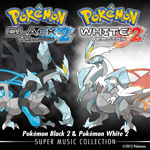
Players returned to Unova nearly two years later with Pokémon Black 2 and Pokémon White 2, and that passage of time was also reflected in the in-game setting. The music team seized upon that notion and ran with it. “The setting in these games being two years later after Pokémon Black and Pokémon White, we tried to think about what had changed. We took everything we heard in Pokémon Black and Pokémon White and we tried to update it to sound as it would two years later,” Mr. Masuda says.
近两年后,玩家通过《宝可梦 黑2·白2》重返合众地区,时间的流逝也反映在游戏设定中。音乐团队抓住了这个概念并加以发挥。“这些游戏的设定是在《宝可梦 黑·白》两年之后,我们试着思考发生了什么变化。我们把在《宝可梦 黑·白》中听到的一切都拿来,尝试更新成两年后听起来的样子,”增田先生说。

The scenes and motifs of Pokémon X and Pokémon Y were even more explicitly based on the country of France, but that didn’t necessarily carry over into the music. On the contrary, it’s something they tried to avoid. “If one of the areas looks very European, and the music matches, then it’s too much like Europe. We used the music to differentiate it a little bit,” Mr. Masuda explains. Instead, the team focused on using the music to influence the players’ feelings and emotions—should a player feel at ease, or is there tension in the action that the music can convey? “That’s more the primary thing when we’re developing the music,” Mr. Masuda says.
《宝可梦 X·Y》的场景和主题更加明确地基于法国,但这并不一定延续到音乐中。相反,这是他们试图避免的事情。“如果某个地区看起来非常欧洲,而音乐又与之匹配,那就太像欧洲了。我们用音乐来稍微区分一下,”增田先生解释道。相反,团队专注于用音乐影响玩家的感受和情绪——玩家应该感到轻松,还是音乐能传达动作中的紧张感?“这是我们开发音乐时更主要的事情,”增田先生说。
Mr. Masuda’s place in the pantheon of video games as a composer and game director has already been set. With insight into his passion for music and Pokémon, we look forward to many more years of developing the games—and music—that Pokémon fans love.
增田先生作为作曲家和游戏总监在电子游戏万神殿中的地位已经确立。通过了解他对音乐和宝可梦的热情,我们期待未来许多年继续开发宝可梦粉丝喜爱的游戏和音乐。