2014 Pokemon.com AI翻訳
増田順一が語るポケモン音楽制作
ゲームフリークの増田順一が、20年以上にわたるゲーム作曲の経験や制作プロセス、ポケモンのサウンドトラック制作を振り返る。
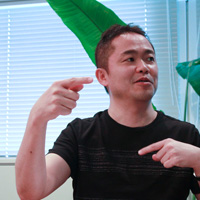
GAME FREAK’s Junichi Masuda is probably best known for his work as a game director, most recently on Pokémon X and Pokémon Y. But he began as, and continues to be, a gifted musical composer responsible for much of the iconic Pokémon game music that fans know by heart. To mark the launch of the Pokémon soundtracks on the iTunes Store, we had the opportunity to talk with Mr. Masuda about his more-than-20-year history with video game composition, his creative process, the production of the Pokémon game soundtracks, and much more.
ゲームフリークの増田順一氏は、おそらくゲームディレクターとしての仕事で最もよく知られているだろう。直近では『ポケットモンスター X・Y』を手がけている。だが同氏はもともと才能あふれる作曲家としてキャリアをスタートさせており、ファンが暗記するほど親しんでいるポケモンゲームの象徴的な楽曲の数々を、今なお数多く生み出し続けている。iTunes Storeでのポケモンサウンドトラック配信開始を記念して、私たちは増田氏にインタビューを行う機会を得た。20年以上にわたるゲーム音楽作曲の歴史や、創作のプロセス、ポケモンゲームのサウンドトラック制作などについて語ってもらった。
Music has always been a part of Mr. Masuda’s life, even from an early age. His first memories of music stretch back to age 9, when he got a cassette player from his parents. “I first listened to rock and roll music. I’m not really sure who it was…it may have been American rock and roll. I just remember thinking it was really cool at the time,” he says.
音楽は幼い頃からずっと、増田氏の人生の一部だった。音楽に関する最初の記憶は9歳までさかのぼり、両親からカセットプレーヤーをもらったのがきっかけだという。「最初に聴いたのはロックンロールでした。誰の曲かはよく覚えていないんですけど……アメリカのロックンロールだったかもしれません。とにかく当時はすごくカッコいいなと思ったんです」と同氏は語る。
Soon after, his interests turned closer to home when he developed an interest in the Japanese techno group Yellow Magic Orchestra, or YMO. The innovative group has made a big impression on musicians, including pop, hip hop, and house music performers, for nearly 40 years. It’s easy to see how Mr. Masuda found his way into video game composition—much of YMO’s music is very reminiscent of the sounds of early video games.
その後まもなく、同氏の興味はより身近なものへと移っていく。日本のテクノグループ、イエロー・マジック・オーケストラ(YMO)に惹かれるようになったのだ。革新的なこのグループは、ポップス、ヒップホップ、ハウスミュージックのアーティストたちを含め、40年近くにわたって多くのミュージシャンに大きな影響を与えてきた。増田氏がどのようにしてゲーム音楽作曲の世界へ足を踏み入れたのかは容易に想像がつく。YMOの音楽の多くは、初期のビデオゲームのサウンドを強く思わせるものだからだ。
“YMO used a lot of synthesizers. I remember hearing the sound of those synthesizers for the first time and thinking it was so cool, and I really wanted to get one of my own. I took my parents with me to get my first synthesizer. It was a Korg MS-10, a really simple synth,” Mr. Masuda says. This first musical instrument provided him with a gateway into actually making music, or at least into understanding the sounds of music. “At first I really was just kind of copying the music I liked, like YMO, Ultravox, and the Human League,” Mr. Masuda says. “I’d be hanging out with friends and we’d try to copy the sounds that we heard. It probably was a few years later, when I was about 14, that I started to make my own songs.”
「YMOはシンセサイザーをたくさん使っていたんです。初めてそのシンセサイザーの音を聴いたとき、すごくカッコいいと思って、自分でもどうしても欲しくなったんですよ。それで親に頼んで一緒に買いに行ってもらって、初めてのシンセサイザーを手に入れました。KorgのMS-10という、すごくシンプルなシンセだったんです」と増田氏は語る。この最初の楽器が、実際に音楽を作る世界への、あるいは少なくとも音楽の音を理解するための入口となった。「最初はやっぱり、YMOとかウルトラヴォックス、ヒューマン・リーグみたいな好きな音楽をただ真似していた感じですね」と同氏は言う。「友達と遊んでいるときに、聴こえてきた音をみんなで真似してみたりして。それから数年後、14歳くらいになった頃に、自分のオリジナル曲を作り始めたんです」。
Like many musically inclined kids his age, Mr. Masuda joined his high-school band, where he played trombone. He also played synthesizer with a group of friends and composed songs for them to perform. Even with all that musical exposure, he didn’t really see a clear path to being a professional musician. “I knew I was interested in music, but I wanted to have it remain a hobby,” Mr. Masuda says.
音楽的素養のある同世代の子供たちの多くと同じように、増田氏も高校のブラスバンド部に入り、トロンボーンを担当した。また友人たちとグループを組んでシンセサイザーを演奏し、彼らが演奏するための楽曲も作っていた。これだけ音楽に触れていても、プロのミュージシャンになる明確な道筋は見えていなかったという。「音楽に興味があることはわかっていたんですけど、趣味のままにしておきたいと思っていたんです」と増田氏は語る。
Despite this early interest and acumen in music, Mr. Masuda’s attention moved away from that field and into another area that would guide his career path. “I knew how difficult to it was to make a living in the music industry, so that’s why I decided to go toward computer graphics and kept music as a hobby. Computer graphics were also a big emerging industry at the time, so after high school I went on to a technical school to study it,” Mr. Masuda says. The combination of musical talent and computer graphics training proved to be important skills for his entire career.
こうした音楽への早期からの関心と才能がありながらも、増田氏の関心は音楽から離れ、後のキャリアを決定づける別の分野へと向かっていった。「音楽業界で食べていくのがどれだけ大変かはわかっていたので、だから僕はコンピュータグラフィックスの道に進んで、音楽は趣味にとどめておこうと決めたんです。当時CGも大きく成長しつつある分野でしたから、高校を卒業してから専門学校に入って勉強しました」と同氏は語る。音楽の才能とコンピュータグラフィックスの専門知識の組み合わせは、その後のキャリア全体において重要なスキルとなることが証明された。
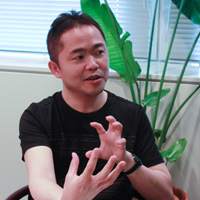
The drift away from his musical interests didn’t last long. At age 19, he met Pokémon creator Satoshi Tajiri, the man who would go on to found GAME FREAK. “Mr. Tajiri had started working on an NES game that was called Mendel Palace in the United States, and he asked me to make the music for the game. It sounded fun, and I was just a student at the time, so I decided to go for it,” Mr. Masuda says. He considers Mendel Palace a good first project for the way it wove the gameplay and music together. “When you moved, the music would play; when you stopped, the music stopped,” he explains.
音楽への興味が薄れていた期間は長くは続かなかった。19歳のとき、後にゲームフリークを設立することになる、ポケモンの生みの親である田尻智氏と出会ったのだ。「田尻さんがアメリカでは『Mendel Palace』(日本名:『クインティ』)という名前で発売されたファミコン向けゲームの開発を始めていて、僕にそのゲームの音楽を作ってほしいと頼んできたんです。面白そうだなと思いましたし、当時はまだ学生だったので、やってみようと思いました」と増田氏は語る。同氏は『クインティ』を、ゲームプレイと音楽がうまく結びついていた点で、良い最初のプロジェクトだったと考えている。「キャラクターが動くと音楽が鳴って、止まると音楽も止まるんです」と同氏は説明する。
Making music on video game systems in that day could be difficult, but Mr. Masuda relished the challenge. “Obviously there were a lot of limitations with the hardware and the number of sounds it could create,” Mr. Masuda says. “The NES had only three sound channels, so I would study a lot of three-voiced compositions, like those from Bach, and try to figure out how you could make that kind of music on the NES. Bach’s music sounds very beautiful without being complex. I really found the challenge of making music that would fit with games to be quite fascinating, and this feeling contributed to the start of my career.”
当時のゲーム機で音楽を作るのは難しい面もあったが、増田氏はその挑戦を楽しんでいた。「もちろんハードウェアの制約や、出せる音の数にはたくさんの制限がありました」と同氏は語る。「ファミコンは3音しか出せなかったので、バッハのような3声の楽曲をたくさん研究して、どうすればファミコンでああいう音楽を作れるのかを考えました。バッハの音楽は複雑ではないのに、すごく美しく響くんです。ゲームに合った音楽を作るという挑戦は本当に面白いと感じて、その気持ちが僕のキャリアの出発点になりました」。
Mr. Masuda’s early experiences in game composition have stuck with him throughout his career. “I remember my earliest games like Mendel Palace. I’d listen to Stravinsky and it sounded heavy and cool, but the music in this game was a more lighthearted, fun-filled style. It was a challenge and something I learned a lot from,” he says. Another memorable game was Pulseman, which came out on the Sega Mega Drive (known in the United States as the Sega Genesis). “We went with more of a techno sound for the game, so it was a genre I had a lot of experience. Another unique aspect of that game was that the hardware featured a FM synthesizer, so I also had to do some programming work.”
ゲーム音楽作曲における初期の経験は、キャリアを通じて増田氏の心に刻まれ続けている。「『クインティ』のような最初期のゲームのことを覚えています。ストラヴィンスキーを聴くと重厚でカッコいいなと思うんですが、このゲームの音楽はもっと軽快で楽しさにあふれたスタイルだったんです。それは挑戦でしたし、すごく多くのことを学びました」と同氏は語る。もうひとつ印象に残っているゲームが、メガドライブ(米国ではSega Genesisという名称)で発売された『パルスマン』だ。「あのゲームではテクノ寄りのサウンドにしたので、僕にとって経験の多いジャンルだったんです。もうひとつ特徴的だったのは、ハードウェアにFM音源が搭載されていたことで、プログラミングの作業もする必要がありました」。
The first Pokémon games presented challenges that were different from previous projects. The games were being developed simultaneously with the sounds and music, so Mr. Masuda had to imagine what a scene would sound like. “Sometimes I’d have a visual effect that I could match the music to, like the little falling sound before the battle begins. We also had to work on timing, such as making sure the music doesn’t start until the Trainer throws out his or her Poké Ball.”
最初のポケモンゲームは、これまでのプロジェクトとは異なる課題を突きつけた。ゲーム本体とサウンド・音楽が同時に開発されていたため、増田氏はシーンがどのような音になるかを想像しなければならなかった。「バトルが始まる前にちょっと落ちるような音みたいに、音楽を合わせられる映像効果があることもありました。あとはタイミングの調整も必要で、たとえばトレーナーがモンスターボールを投げるまでは音楽が始まらないようにするといったことです」。
Years of music composition for video games has given Mr. Masuda insight into the process. One of his most important lessons: listen to a lot of different music. “By the time I was about 20, I had over 1,000 CDs in a wide variety of genres—music from around the world, from traditional Japanese called gagaku, taiko music, Gamelan [traditional Indonesian ensemble music], European classical, rock, jazz, techno…and it all culminated into my own unique style,” he says. And plenty of classical music had influenced his compositions. Despite stating a preference for more traditional classical composers, he says he’s always been inspired by Stravinsky. “I was really into him, liked his work, like the Rite of Spring and the Firebird. A lot of people might find him too niche or avant garde compared to Bach or Mozart, for example. I read Stravinsky’s autobiography and musical scores, too.”
長年にわたりゲーム音楽を作曲してきたことで、増田氏はそのプロセスに対する深い理解を持つようになった。最も重要な教訓のひとつは、さまざまな音楽をたくさん聴くことだという。「20歳くらいになった頃には、1,000枚以上のCDを持っていました。ジャンルも幅広くて、世界中の音楽、雅楽と呼ばれる日本の伝統音楽、太鼓、ガムラン(インドネシアの伝統的な合奏音楽)、ヨーロッパのクラシック、ロック、ジャズ、テクノ……それらすべてが積み重なって、僕独自のスタイルになっていったんです」と同氏は語る。また、クラシック音楽も彼の作曲に多くの影響を与えている。より伝統的なクラシック作曲家を好むと述べつつも、ストラヴィンスキーからは常に刺激を受けてきたと言う。「すごくハマっていて、『春の祭典』や『火の鳥』といった作品が好きでした。たとえばバッハやモーツァルトと比べると、マニアックすぎるというか前衛的だと感じる人も多いかもしれませんね。僕はストラヴィンスキーの自伝や楽譜も読んでいました」。
For Mr. Masuda, it’s also about finding your moment to be creative—it requires dedication and a little solitary confinement. “One of the important elements is that I have to be alone. Most of the time, when I’m with other people, I’m usually talking, so it’s kind of hard to hum a new song.” He laughs. “Also, when it comes to gameplay ideas and musical ideas, I find that I have to separate the two. I’ll choose whether today is a music day or a game design day, and focus my entire day on that aspect. I can’t think of both simultaneously. That focus is what’s important,” he explains. “On music days, I’ll find musical inspiration everywhere, including at work, waiting for the train, or even in the shower.”
増田氏にとって、創造性を発揮できる瞬間を見つけることも重要だ。それには集中力と、少しばかりの孤独な時間が必要になる。「大事な要素のひとつは、一人でいることなんです。他の人と一緒にいるときはだいたい話しているので、新しい曲を鼻歌で歌うのはちょっと難しくて」と同氏は笑う。「あと、ゲームプレイのアイデアと音楽のアイデアについては、分けて考える必要があると感じています。今日は音楽の日、今日はゲームデザインの日と決めて、その日は一日中そこに集中するんです。両方を同時に考えることはできないので。その集中が大事なんですよ」と同氏は説明する。「音楽の日は、仕事中でも、電車を待っているときでも、シャワーを浴びているときでも、あらゆる場所で音楽のインスピレーションを見つけます」。
One more lesson Mr. Masuda learned about video game composition came from cinema, but with a twist. “With movies, the music can match a scene perfectly and ramp up to reach a climactic moment along with the action. For games, it’s a little different, because the music doesn’t always play at the same locations for each person. You kind of have to imagine a lot of different scenarios and keep that in mind when you’re creating the songs,” he says. But that doesn’t mean you should ignore the scene—quite the opposite. “My advice would be to not just create songs, but really think about setting the scene and think about how you can influence the player’s experience regarding the gameplay along with the music.”
ゲーム音楽作曲について増田氏が学んだもうひとつの教訓は映画から得たものだが、そこにはひとひねりある。「映画の場合、音楽がシーンに完璧に合って、アクションと一緒にクライマックスに向かって盛り上がっていきますよね。でもゲームの場合はちょっと違っていて、人によって同じ場所で同じ音楽が流れるとは限らないんです。だからいろんなシチュエーションを想像して、それを念頭に置きながら曲を作らないといけないんですよ」と同氏は語る。しかしそれはシーンを無視すべきという意味ではない。むしろその逆だ。「アドバイスとしては、ただ曲を作るのではなく、シーンをしっかりと作り込むことを考えて、音楽と一緒にゲームプレイにおけるプレイヤーの体験をどう演出できるかを考えてほしいですね」。
Composing music for video games has changed quite a bit since Mr. Masuda’s early days. The tools for creating music have improved significantly, and his approach has changed, too. His experience working on virtually every Pokémon game has certainly opened up more avenues for creativity. “Nowadays it’s more that we come up with the music first because we kind of already know what is in a Pokémon game…we know what the scenes are like. I’ll come up with songs that fit the known quantities that we already have,” Mr. Masuda says.
増田氏の初期の頃から、ゲーム音楽の作曲は大きく変化してきた。音楽制作のツールは格段に進歩し、同氏のアプローチも変わってきた。ほぼすべてのポケモンゲームに関わってきた経験は、間違いなく創造性の幅を広げてきた。「最近はどちらかというと先に音楽を考えることが多いんです。というのも、ポケモンのゲームに何が入るかはだいたいわかっていますし……どんなシーンなのかもわかっているので。すでにわかっている要素に合った曲を作っていく感じですね」と増田氏は語る。
But that doesn’t mean the work has become easier. “Obviously there’s a lot more freedom when composing game music these days, but that comes with a lot of challenges. You can do a lot more, but you also have to do a lot more,” he says. “For all the freedom we have now, I think it’s a good time for all of us game music composers to step back and really think about what game music should be. Interactivity is an element in games that you don’t find elsewhere. And with that in mind, maybe we should think about what we’re doing with game music.”
とはいえ、仕事が簡単になったわけではない。「今の時代、ゲーム音楽を作る上での自由度は当然すごく高くなっていますが、それと同時にたくさんの課題もあります。できることが増えた分、やらなければいけないことも増えるんです」と同氏は語る。「これだけ自由になった今だからこそ、僕らゲーム音楽の作曲家全員が一度立ち止まって、ゲーム音楽とはどうあるべきなのかをしっかり考える良い時期だと思います。インタラクティブ性は、他にはないゲームならではの要素です。それを踏まえた上で、僕たちはゲーム音楽で何をすべきなのかを考えていくべきなのかもしれませんね」。
ポケモン音楽の歴史を振り返る
The development and mastering of the Pokémon soundtracks has given Mr. Masuda a chance to reflect on the creation of his long legacy of musical composition. We go through the chronology of major Pokémon games to get his insight into them. The team responsible for remastering all the soundtracks spent considerable time adjusting the music so it would sound good regardless of where the listener was, whether in the car or listening to a home stereo.
ポケモンのサウンドトラックの開発とマスタリングを通じて、増田氏は自らの長い作曲の歴史を振り返る機会を得た。ここでは主要なポケモンゲームの時系列に沿って、同氏の考えを聞いていく。すべてのサウンドトラックのリマスターを担当したチームは、車の中であれ家庭用ステレオであれ、リスナーがどこで聴いても良い音に聞こえるよう、音楽の調整にかなりの時間を費やしたという。
Mr. Masuda’s role in the music and sounds of the original Pokémon Red and Pokémon Blue games can’t be understated. “We’d write music directly on the Game Boy using a special device. For those games, I wrote all the songs and created all the Pokémon cries. I was definitely able to pour everything I had into those sounds,” he explains. Because of the primitive graphics of the original Game Boy, the music served a greater role in setting the mood and indicating where the player was in the game. “When I listen to this soundtrack, I hear things that I’d like to go back and fix and make changes to, but the majority I really like. I’ll listen and think, ‘Wow, this is really good. I can’t believe I made this!’” Mr. Masuda laughs.
『ポケットモンスター 赤・緑』における音楽とサウンド面での増田氏の役割は、いくら強調してもしすぎることはない。「特殊な機材を使って、ゲームボーイ上で直接音楽を書いていたんです。あの作品では、僕がすべての曲を作り、すべてのポケモンの鳴き声も作りました。自分の持てるすべてを、あのサウンドに注ぎ込めたと思います」と同氏は説明する。初代ゲームボーイのグラフィックは原始的だったため、音楽は雰囲気を演出し、プレイヤーがゲーム内のどこにいるのかを示す上で、より大きな役割を担っていた。「このサウンドトラックを聴くと、戻って直したいところや変えたいところが聞こえてくるんですけど、大部分はすごく気に入っています。聴きながら『うわ、これ本当にいいな。よく僕がこんなものを作れたな!』と思うんですよ」と増田氏は笑う。
For Mr. Masuda, the primary focus as composer changed with the launch of Pokémon Gold and Pokémon Silver. He became more involved as both a programmer and a game director. And it was the first time that Gō Ichinose joined GAME FREAK’s sound department. With the extra help and the familiar environment, the team was able to create new songs very quickly and early in development.
増田氏にとって、作曲家としての主な焦点が変わったのは『ポケットモンスター 金・銀』の発売時だった。同氏はプログラマーおよびゲームディレクターとして、より深く関わるようになった。そして一之瀬剛氏が初めてゲームフリークのサウンド部門に加わったのもこのときだ。新たなサポートと馴染みのある環境のおかげで、チームは開発のごく早い段階から、非常に速いペースで新しい曲を作ることができた。

Things changed with Pokémon Ruby and Pokémon Sapphire and the migration to the Game Boy Advance. Mr. Masuda explains, “We were able to sample the sounds before adding it to the hardware, which was really nice, but it was more work and took more time to figure out the process.” In the end they were also able to think more about the tone of the music thanks to the wider sound range of the new hardware, including the timpani drum. “It was another sound I discovered at the time…that we used a lot in Pokémon Ruby and Pokémon Sapphire.”
状況が変わったのは、『ポケットモンスター ルビー・サファイア』でゲームボーイアドバンスへ移行したときだ。増田氏はこう説明する。「ハードウェアに入れる前に音をサンプリングできるようになって、それはすごく良かったんですけど、そのやり方を確立するまでには作業量も時間も余計にかかりました」。最終的には、ティンパニを含む新しいハードウェアの幅広い音域のおかげで、音楽の音色についてもより深く考えることができたという。「当時見つけたもう一つの音なんですけど……『ポケットモンスター ルビー・サファイア』ではそれをたくさん使いました」。

The knowledge gleaned from Pokémon Ruby and Pokémon Sapphire could be applied efficiently to Pokémon FireRed and Pokémon LeafGreen. Although Mr. Masuda had created the majority of the original compositions, it was mostly Mr. Ichinose who updated the music. “We spent a lot of time making sure that anyone could play these games, so we didn’t go too far with new gameplay elements or go too far out there. In that spirit, we took the original songs and added elements to it without changing it too much,” Mr. Masuda says.
『ポケットモンスター ルビー・サファイア』で得た知識は、『ポケットモンスター ファイアレッド・リーフグリーン』に効率よく活かすことができた。オリジナル版の楽曲の大部分は増田氏が作ったものだったが、音楽のアップデートを担当したのは主に一之瀬氏だった。「誰でも遊べるようにすることにすごく時間をかけたので、新しい遊び要素を入れすぎたり、奇抜な方向に行きすぎたりしないようにしたんです。そういう思いもあって、元の曲をあまり大きく変えずに、そこに要素を足していく形にしました」と増田氏は語る。
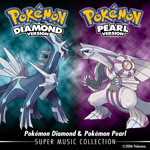
Pokémon Diamond and Pokémon Pearl proved to be something of a turning point for the music of Pokémon games. By this time, a lot of Pokémon music had been produced, and the “Pokémon sound” had been well established. Plus, the new Nintendo DS hardware once again provided a new palette of sounds to create from. “I wanted to try to really expand what really represents Pokémon,” says Mr. Masuda. “I had some room with the music to experiment on what was previously considered Pokémon music.” He attributes much of this experimentation to having a set look for Pokémon games. With that in place, he knew he could try new ideas without alienating the player.
『ポケットモンスター ダイヤモンド・パール』は、ポケモンゲームの音楽にとってひとつの転換点となった。この頃にはすでに多くのポケモン音楽が作られ、「ポケモンらしい音」もしっかりと確立されていた。加えて、ニンテンドーDSという新しいハードウェアが、また新たな音のパレットを提供してくれたのだ。「ポケモンらしさを表すものを、もっと広げていきたいと思ったんです」と増田氏は言う。「これまでのポケモン音楽とされてきたものに対して、実験できるような音楽的な余裕がありました」。こうした実験ができた理由の多くは、ポケモンゲームの見た目が定まっていたことにあると同氏は考えている。それが確立されていたからこそ、プレイヤーを遠ざけることなく新しいアイデアを試せるとわかっていたのだ。
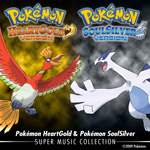
The musical updating for Pokémon HeartGold and Pokémon SoulSilver was yet another big jump in hardware using the sounds of a previous game. For this title, Mr. Masuda left the production work mostly in the capable hands of GAME FREAK composers Mr. Ichinose and Shota Kageyama. Their goal was to make sure that both new players and the Pokémon fans who remembered playing Pokémon Gold and Pokémon Silver were equally satisfied. “One thing we really kept in mind is that those who played the original Pokémon Gold and Pokémon Silver would notice if we changed the songs, and we wanted to preserve their memories of the games,” Mr. Masuda says.
『ポケットモンスター ハートゴールド・ソウルシルバー』の音楽アップデートは、過去のゲームのサウンドを使いながらも、ハードウェア面でまた大きな飛躍を遂げた作品だった。このタイトルでは、増田氏は制作作業の大部分を、ゲームフリークの作曲家である一之瀬氏と景山将太氏という頼もしい二人に任せている。彼らの目標は、新しいプレイヤーと、『ポケットモンスター 金・銀』を遊んだ記憶があるポケモンファンの双方が、等しく満足できるようにすることだった。「特に意識していたのは、オリジナルの『ポケットモンスター 金・銀』を遊んだ人は曲を変えたら気づくということ、そしてその人たちのゲームの思い出を残しておきたいということでしたね」と増田氏は語る。
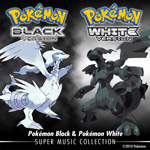
Pokémon Black and Pokémon White were the first games to be inspired by a region outside of Japan, namely New York City. “We were really aiming for a ‘cool’ feel, which was a different direction for the Pokémon series. We also wanted new musical challenges. We had some more new members in the music team, so we asked each one to try a different musical genre. I remained the composer for battles and such, where we tried to stick with traditional Pokémon music.” It fit into the concept of the Unova region, where there were many different perspectives in the game, but it could also be viewed as one large world.
『ポケットモンスター ブラック・ホワイト』は、日本以外の地域、具体的にはニューヨーク市からインスピレーションを受けた初めての作品だった。「『かっこよさ』をすごく目指していて、これはポケモンシリーズとしてはこれまでと違う方向性でした。音楽でも新しい挑戦をしたかったんです。音楽チームに新しいメンバーが何人か加わったので、それぞれに違うジャンルを試してもらいました。僕はバトルなどの曲を引き続き担当して、そこではやっぱり伝統的なポケモン音楽を意識するようにしました」。これは、ゲーム内にさまざまな視点がありながらも、ひとつの大きな世界として捉えることもできるイッシュ地方のコンセプトに合致していた。
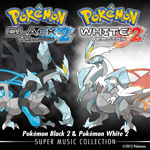
Players returned to Unova nearly two years later with Pokémon Black 2 and Pokémon White 2, and that passage of time was also reflected in the in-game setting. The music team seized upon that notion and ran with it. “The setting in these games being two years later after Pokémon Black and Pokémon White, we tried to think about what had changed. We took everything we heard in Pokémon Black and Pokémon White and we tried to update it to sound as it would two years later,” Mr. Masuda says.
約2年後、プレイヤーは『ポケットモンスター ブラック2・ホワイト2』で再びイッシュ地方に戻ってきたが、その時間の経過はゲーム内の設定にも反映されていた。音楽チームはこのアイデアに着目し、それを推し進めていった。「『ポケットモンスター ブラック・ホワイト』から2年後という設定だったので、何がどう変わったのかを考えようとしたんです。『ポケットモンスター ブラック・ホワイト』で聴こえていたものすべてを取り上げて、2年後ならこう聞こえるだろうという形にアップデートしていきました」と増田氏は語る。
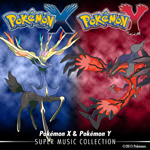
The scenes and motifs of Pokémon X and Pokémon Y were even more explicitly based on the country of France, but that didn’t necessarily carry over into the music. On the contrary, it’s something they tried to avoid. “If one of the areas looks very European, and the music matches, then it’s too much like Europe. We used the music to differentiate it a little bit,” Mr. Masuda explains. Instead, the team focused on using the music to influence the players’ feelings and emotions—should a player feel at ease, or is there tension in the action that the music can convey? “That’s more the primary thing when we’re developing the music,” Mr. Masuda says.
『ポケットモンスター X・Y』の舞台やモチーフは、フランスという国をさらに明確に意識したものだったが、それがそのまま音楽に反映されたわけではない。むしろ、そうならないように心がけていたという。「あるエリアがすごくヨーロッパっぽく見えるときに、音楽まで合わせてしまうと、ヨーロッパっぽくなりすぎてしまうんです。だから音楽を使って、少しだけ違いを出していました」と増田氏は説明する。代わりにチームは、音楽を使ってプレイヤーの気持ちや感情に働きかけることに集中した。プレイヤーに安心感を与えるべきなのか、それともアクションの緊張感を音楽で伝えるべきなのか。「音楽を作るときに、僕らが一番大切にしているのはそっちなんです」と増田氏は語る。
Mr. Masuda’s place in the pantheon of video games as a composer and game director has already been set. With insight into his passion for music and Pokémon, we look forward to many more years of developing the games—and music—that Pokémon fans love.
作曲家およびゲームディレクターとしての増田氏のゲーム史における地位は、すでに確固たるものだ。音楽とポケモンに対する同氏の情熱に触れることで、これからもポケモンファンに愛されるゲーム——そして音楽——が長く作り続けられていくことを期待したい。