2018 Polygon
增田顺一忆红蓝开发
增田顺一
Game Freak 的增田顺一回顾初代《宝可梦》六年的开发历程、数据危机与系列核心。
Contents 本篇 8 章
- 你从宝可梦诞生之初就参与其中。开发初代游戏是什么感觉?那时的 Game Freak 是什么...
- 你对这款游戏发售后的反响有什么期待?你们当时是觉得“哦,我们手上有个大热作品”,还是“我们...
- 当年制作初代游戏时,你印象最深刻的美好回忆有哪些?
- 你们在做这个游戏的时候,显然有过一些戏剧性的时刻,一些困难。发售之后,你是在哪个时刻意识到...
- 宝可梦如今已是巨大的现象。随着宝可梦持续成长——从一家年轻的小型工作室发展为开发世界最大I...
- 《宝可梦 Let's Go》基于《宝可梦 红·蓝·黄》的框架,但感觉像是一次重新发明。既然...
- 回到关都、红蓝的原始世界和设计,并不得不重新构想它,感觉如何?对于当年参与原版红蓝的工作人...
- 《宝可梦 Let's Go》虽然是对《宝可梦 黄》的回归,但仍然非常不同。你如何在不一遍又...
One of the most exciting things about Pokémon: Let’s Go! is that it’s very much like a throwback nostalgia piece. It’s a new version, of sorts, of the original games. And it feels especially important that these Nintendo Switch games are launching in 2018 — two decades after Pokémon Red and Blue first captivated audiences in North America.
《宝可梦 Let’s Go》最令人兴奋的一点是,它很像一部怀旧之作。从某种意义上说,它是初代游戏的新版本。而这款 Nintendo Switch 游戏在2018年发售,显得尤为重要——距离《宝可梦 红·蓝》首次在北美俘获玩家,已经过去了二十年。
To better connect the dots from then to now, we reached out to one of the people who’s been with Pokémon since before the series took over the world: Game Freak’s Junichi Masuda, who has composed the music for every mainline Pokémon RPG, as well as directed nearly every entry since the Game Boy Advance days. That includes Pokémon: Let’s Go!, which is out this November.
为了更好地串联起从那时到现在的脉络,我们联系了一位在宝可梦风靡全球之前就参与其中的人:Game Freak 的增田顺一。他为每一部宝可梦正统 RPG 创作了音乐,并且自 Game Boy Advance 时代以来几乎执导了每一部作品,包括今年11月发售的《宝可梦 Let’s Go》。
Below, read our full Q&A with the Pokémon veteran, as he recalls working at Game Freak like it was a “college club,” long before the studio broke big — and how life has changed then.
下面是我们与这位宝可梦老将的完整问答。他回忆起在 Game Freak 工作的日子,那时公司远未做大,感觉就像个“大学社团”——以及生活后来发生了怎样的变化。
Polygon
You’ve been around since the beginning of Pokémon. What was it like working on that original game? What was it like at Game Freak back then — that special time when you were still unsure of if this game was going to be a huge hit?
你从宝可梦诞生之初就参与其中。开发初代游戏是什么感觉?那时的 Game Freak 是什么样的——那个特别的时期,你还不确定这款游戏会不会大获成功?
增田顺一
Junichi Masuda, composer and programmer on Pokémon Red/Green/Blue; director of Pokémon: Let’s Go! and many more: At the very beginning, we were still a pretty new company. We were just a few people, and obviously, we didn’t have a lot of huge hits on our hands at Game Freak. We knew we wanted to make games that we all as members at Game Freak wanted to play ourselves. We wanted to make the games that we really cared about wanting to make. At the same time, we had this requirement to run as a company. Obviously, we [needed] payroll and all that, so we needed to make sure that [Pokémon] was also a huge success and it would sell very well.
增田顺一,《宝可梦 红/绿/蓝》的作曲与程序,以及《宝可梦 Let’s Go》等多部作品的导演:最开始的时候,我们还是一家很新的公司。我们只有几个人,而且显然,Game Freak 手上并没有什么大热作品。我们知道,我们想制作的是我们作为 Game Freak 成员自己都想玩的游戏。我们想制作我们真正在意、真正想做的游戏。与此同时,我们也有作为一家公司运营的需求。显然,我们需要发工资等等,所以我们必须确保《宝可梦》也能大获成功,卖得很好。
增田顺一
It wasn’t always a smooth development. It took about six years for the entire development of the original Red and Green games. We were able to get by by doing other projects for different companies along the way to make ends meet, while also on the side, people who wanted to work on Pokémon within their […] in the time they had from those other projects, to implement interesting ideas that they had and really put in all of their, I guess, really just creative energy into Pokémon.
开发并不总是一帆风顺。初代红绿游戏的全部开发花了大约六年时间。我们靠同时为其他公司做项目来维持生计,与此同时,那些想在宝可梦上投入的人,利用从其他项目挤出的时间,去实现他们有趣的想法,把全部——我想说,真的是全部的创造力都投入到宝可梦上。
增田顺一
It was really because of that kind of teamwork that I think that Pokémon, the original games, just came out to be as interesting and as fun as they were. That also led to their success. We definitely take that kind of […] that teamwork-focused work style, and that’s part of the Game Freak culture now. The team for Let’s Go, Pikachu! and Let’s Go, Eevee!, at the very end, we’re probably about 100 people total. But we started with that core group of people who really had a shared vision of what we want to make and bring our own interesting ideas to the table to really just make it the best game possible. We carry on that kind of philosophy even today.
正是因为这种团队合作,我认为初代宝可梦游戏才会如此有趣、如此好玩。这也带来了它们的成功。我们确实继承了那种以团队合作为核心的工作方式,这如今已是 Game Freak 文化的一部分。《Let’s Go 皮卡丘》和《Let’s Go 伊布》的团队,到最后大概总共有一百人左右。但我们起步时,核心成员都真正共享着同一个愿景——我们想做什么,并各自带来有趣的想法,只为做出尽可能最好的游戏。直到今天,我们仍延续着这种理念。
Polygon
What were you expecting to come out of the release of this game? Did you guys think, “Oh, we have this huge hit on our hands,” or “We’re very passionate about this game and we just want to get it out?”
你对这款游戏发售后的反响有什么期待?你们当时是觉得“哦,我们手上有个大热作品”,还是“我们对这款游戏充满热情,只想把它做出来”?
增田顺一
When we were first […] about to release the game, actually we were […] it’s six years of development. It really took us that long to get to a point where we could release it. Near the end of development, we started to get really worried because we were [developing it for the] Game Boy.
当我们最初……即将发售这款游戏时,其实我们……开发了六年。我们确实花了那么久才走到可以发售的地步。开发接近尾声时,我们开始非常担心,因为我们是……为 Game Boy 开发的。
增田顺一
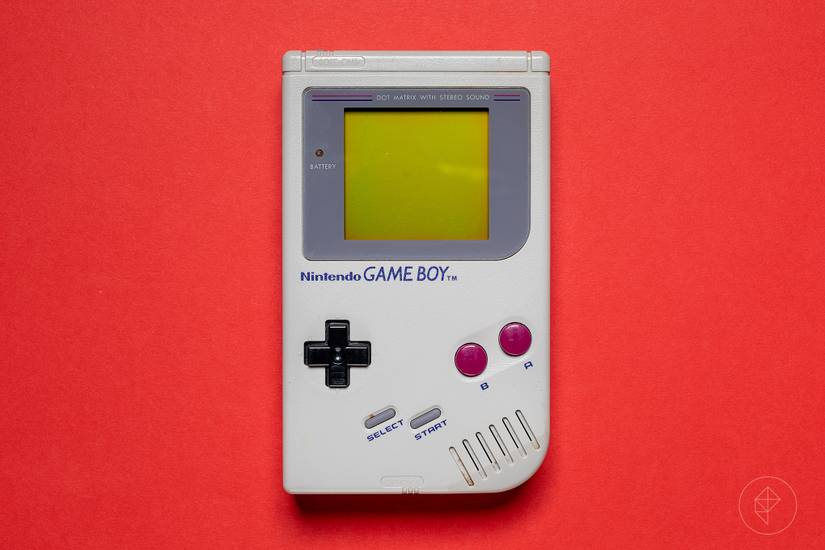
At the time in Japan, the Game Boy had been on a decline. You didn’t really see so many people playing it out and about at that point. Even when we were talking to our friends in the industry and saying that, “Oh, we’re working on a Game Boy game,” they were like, “Really? You’re working on a Game Boy game? That’s not going to sell very well, don’t you think?” That’s kind of what the atmosphere was like in Japan at the time.
当时在日本,Game Boy 已经在走下坡路。那时候你不太能看到有很多人在外面玩它。甚至当我们和业内的朋友说“哦,我们在做一款 Game Boy 游戏”时,他们也会说:“真的吗?你们在做 Game Boy 游戏?那不会卖得很好吧,你们不觉得吗?”当时日本的气氛大概就是这样。
增田顺一
We really didn’t expect that it would be a massive global success or anything. Back then, even role-playing games — the thinking in Japan was that they really wouldn’t do so well overseas, so we didn’t even think about really releasing it overseas at the time. We were thinking, maybe if we could sell a million units, that would be a great dream-come-true kind of situation, is what we were feeling when we were first releasing it.
我们真的没料到它会在全球取得巨大成功之类的。当时,就连角色扮演游戏——日本那边的想法是它们在海外根本卖不动,所以我们当时甚至没考虑过要在海外发行。我们想的是,如果能卖出一百万份,那就像是梦想成真一样,这就是我们最初发售时的心情。
Polygon
What are some of the best memories that you can recall from making the original game back then?
当年制作初代游戏时,你印象最深刻的美好回忆有哪些?
增田顺一
One of the more happy episodes or more positive stories, I really don’t remember so well, but I think the most memorable […] happening that I still have in my mind after all these years is that we were developing the game on these Unix computer stations called the Sun SPARCstation 1. […] We’re developing, and they’re these Unix boxes, and they crashed quite a bit. Back then, computers would crash fairly frequently.
比较开心的事或者比较正面的故事,我其实记不太清了,但我觉得这么多年过去,我脑海中印象最深刻的事,是我们在一台叫 Sun SPARCstation 1 的 Unix 工作站上开发游戏。我们在开发,用的是这些 Unix 机器,它们经常死机。当时电脑死机相当频繁。
增田顺一
Somewhere midway through the development, maybe in the fourth year or so, we had a really bad crash that we couldn’t, we didn’t know how to recover the computer from. That had all of the data for the game, all of the Pokémon, the main character and everything. It really felt like, “Oh my God, if we can’t recover this data, we’re finished here.” I just remember doing a lot of different research. I called the company that I used to work for, seeing if they had any advice to recover the data.
开发进行到中途,大概是第四年左右,我们遇到了一次非常严重的死机,我们没法、也不知道怎么把电脑恢复过来。那台电脑里有游戏的全部数据,所有宝可梦、主角等等一切。当时真的感觉像是“天哪,如果恢复不了这些数据,我们就完了”。我只记得我做了很多不同的研究。我打电话给我以前工作过的公司,看他们有没有恢复数据的建议。
增田顺一
I would go on this internet service provider back then called Nifty Serve. It’s like a Japanese version of CompuServe. I’d go on and ask people that I never talked to for advice on how to recover the data. I would look at these English books about the machine itself, because there wasn’t a lot of information in Japanese, just to figure it out. We eventually figured out how to recover it, but that was like the most nerve-wracking moment, I think, in development.
我当时会上一个叫 Nifty Serve 的互联网服务提供商。它就像是日本版的 CompuServe。我会上去向那些我从未交谈过的人请教如何恢复数据。我会翻看那些关于这台机器本身的英文书,因为日文资料不多,就为了把它搞明白。我们最终弄清楚了怎么恢复,但我觉得那是开发过程中最让人提心吊胆的时刻。
增田顺一
I was one of two programmers on the initial project. I also did the audio and the music in the game, but it was pretty much that the programming was just me and this one other guy. I just remember we both were into techno music at the time. So we would be working late into the night, it’d just be the two of us, and we would turn on this really heavy techno music — make it feel like it’s like a club or something. We would just be programming late into the night doing that, so that was pretty good memories.
最初的项目里我是两名程序员之一。游戏里的音效和音乐也是我做的,但基本上编程就只有我和另外一个人。我记得我们俩当时都迷电子音乐。所以我们会工作到深夜,就我们两个人,然后放起那种很重的电子音乐——让它感觉像在夜店之类的。我们就那样编程到深夜,所以那是相当不错的回忆。
Polygon
When you guys were working on it, there were obviously some dramatic times, some difficulties. What was the moment when you realized, “Oh, this game is huge” after you released it? When did you say, “Nope, this is a phenomenon. This is gigantic?”
你们在做这个游戏的时候,显然有过一些戏剧性的时刻,一些困难。发售之后,你是在哪个时刻意识到“哦,这游戏不得了”的?你是什么时候说“不,这是个现象。这太庞大了”的?
增田顺一
The day of release [of Pokémon Red and Green], the whole team that worked on the development, we all went around to some different shops to just see how it was doing. We could tell it was actually selling fairly well. At the time, of course, there was no social media or anything like that, no way to get instant reactions from people. We just didn’t really get a lot of information in a very speedy way, so there was a while there that we didn’t really know exactly how well it was doing.
发售当天(《宝可梦 红·绿》),参与开发的整个团队都跑到不同的店铺去看情况怎么样。我们能看出来它其实卖得相当不错。当然,当时没有社交媒体之类的东西,没法立刻得到人们的反应。我们并没有很快得到很多信息,所以有一段时间我们并不确切知道它卖得究竟有多好。
增田顺一
We started seeing the deposits from Nintendo, obviously. That hinted to us that it was selling pretty well. Then you started to see in the, after a while, the newspapers, you’d see articles talking about how this new Pokémon thing is becoming a big hit with the kids. In Japan, the games came first. It spread in popularity through word of mouth, primarily.
我们当然开始看到任天堂打来的款项。这向我们暗示它卖得相当不错。然后过了一阵,你开始看到报纸上出现文章,谈论这个新的宝可梦东西如何在孩子们中间大受欢迎。在日本,游戏是先出的。它的流行主要是靠口口相传扩散开来的。
增田顺一
It wasn’t until later when you started seeing, “OK, there’s going to be an animated series. Oh, there’s going to be a card game. Now there’s a manga weekly publication.” When those things expanded into this multimedia thing in Japan, we really started to feel like, “Oh wow, this is a big deal now.”
直到后来,你开始看到“好,要出动画系列了。哦,要出卡牌游戏了。现在又有周刊漫画连载了”。当这些东西在日本扩展成这种多媒体的事物时,我们才真正开始觉得“哇,现在这可是件大事了”。
增田顺一
Once the game came out overseas, that was a big hit. I remember just we got all of these requests to review products that people wanted to make. We got so many requests for all these different products that licensees wanted to make, I just remember the number of these requests just being insane at the time. I felt that, “Oh wow, this is really a big deal.” Then we actually visited, I was able to visit the U.S. and see all these different products on the shelves and everything, just see how big it had become even outside of Japan.
游戏在海外发售后大获成功。我记得当时收到了大量请求,都是人们想做的产品要我们审核。授权方想做的各种产品请求多到数不清,我只记得当时这些请求的数量简直疯狂。我当时觉得:“哇,这真是件大事。”后来我们实际去了——我得以访问美国,看到货架上摆着各种产品,看到它在日本之外也变得如此之大。
增田顺一
I think part of that was just due to the strategy of releasing it outside of Japan, where they started with the animated series first to get people excited about Pokémon as a universe and then release the game. You could really tell that they […] the strategy just worked really well to make it a huge hit overseas.
我认为部分原因在于海外发行的策略:他们先推出动画系列,让人们先对宝可梦这个世界产生兴趣,然后再发售游戏。你确实能看出他们……这个策略非常有效,让它在海外大获成功。
Polygon
Pokémon is now a huge phenomenon. How has your life and the life at Game Freak changed over the years as Pokémon has continued to grow — going from this young, smaller studio to developing one of the biggest franchises in the world?
宝可梦如今已是巨大的现象。随着宝可梦持续成长——从一家年轻的小型工作室发展为开发世界最大IP之一——你的生活和Game Freak的生活这些年发生了怎样的变化?
增田顺一
Back when we were first making the games, it was less […] We could hardly even be called a company at the time. We were just almost like a college club or something, where people who were interested would just gather and hang out. They’d come to work whenever they want, leave whenever they want. Some people would be sleeping over, because they worked so hard into the night.
我们最初做游戏的时候,还不太……当时我们几乎称不上是一家公司。我们几乎像个大学社团之类的,有兴趣的人聚在一起玩。他们想来就来,想走就走。有人会睡在公司,因为工作到深夜。
增田顺一
It was just more almost like a little community spot for those of us who were making and working on the games. After the success of Pokémon and as it’s evolved over the years, where now they’re in 3D now and we need more and more staff to be able to make these games, obviously we’ve become a lot more of a proper company — there’s rules in place, and we have to work with other companies and operate like a proper business. That’s probably the biggest change.
对我们这些制作和开发游戏的人来说,那更像是一个小小的社区据点。在宝可梦成功之后,随着这些年演变,现在已经是3D了,我们需要越来越多的员工才能做出这些游戏,显然我们变得更像一家正规公司了——有了规章制度,必须与其他公司合作,像正规企业一样运作。这大概就是最大的变化。
增田顺一
“a lot of the people who are now on the team, they also grew up with Pokémon”
“现在团队里的很多人,也是和宝可梦一起长大的。”
增田顺一
As a result of that, I think the initial freedom we had, which allowed us to really just not care about anything, ideas that we wanted to implement in the game, that was how we operated back then. We still try to do that, but it’s obviously become more difficult now that we have this more proper company structure. That’s probably the biggest difference.
因此,我认为我们最初拥有的自由——让我们可以完全不在乎别的,只想着要在游戏里实现的点子——那就是我们当时的运作方式。我们现在仍然尝试这样做,但有了更正规的公司结构后,显然变得更难了。这大概就是最大的不同。
增田顺一
What I mean by that being like a challenge, because we’re a business now with Pokémon being so huge, being able to just rewind is difficult, because a lot of the people who are now on the team, they also grew up with Pokémon. They have an idea of what Pokémon is supposed to be. They’ve played these games, they’ve enjoyed them themselves. Just taking for example, on Let’s Go, Pikachu! and Let’s Go, Eevee!, even the idea of getting rid of wild Pokémon battles and trying something different was obviously met with a lot of resistance at first.
我说这之所以是个挑战,是因为我们现在是一家企业,宝可梦又如此巨大,想要回到过去那种状态很难,因为现在团队里的很多人也是和宝可梦一起长大的。他们对宝可梦应该是什么样有自己的想法。他们玩过这些游戏,自己也享受过。举个例子,在《Let’s Go,皮卡丘!》和《Let’s Go,伊布!》中,就连取消野生宝可梦对战、尝试不同做法的想法,一开始也遭到了很多抵触。
增田顺一
People were just like, “No. Of course. It’s Pokémon, there’s wild battles. That’s how it is.” There’s a lot of these unspoken rules that people feel [can’t change], but at the same time at Game Freak, we always want to be open to trying new things. If someone has a good idea or wants to try something out, we want to be able to actually do that. That’s just always a challenge that comes up with each project, just making sure that we don’t take anything for granted.
人们就是觉得:“不行。当然不行。这是宝可梦,就有野生对战。本来就是这样。”有很多这类不成文的规则,人们觉得不能改变,但与此同时在Game Freak,我们始终愿意尝试新事物。如果有人有好点子或想尝试什么,我们希望能真正去做。每个项目都会出现这样的挑战,就是要确保我们不把任何事视为理所当然。
增田顺一
It’s always just, “What do we want to do with this project? What do we want to try out this time?” We really just discuss it with the team and game and find out what the best direction is for that game. One thing I’m always saying at the beginning of a project, you’re always telling the team is when you’re making a new Pokémon, don’t make Pokémon from Pokémon. Make Pokémon from scratch. What would you do if it wasn’t a Pokémon game? How would you make the game? Always be in that mindset, is what I’m always trying to tell the team.
总是要问:“我们想在这个项目里做什么?这次想尝试什么?”我们真的会和团队讨论,找出那款游戏最好的方向。我在项目开始时总是对团队说的一件事是:做新的宝可梦时,不要从宝可梦出发做宝可梦。要从零开始做宝可梦。如果这不是一款宝可梦游戏,你会怎么做?你会怎么设计这款游戏?始终保持这种心态,这是我一直试图告诉团队的。
Polygon
Pokémon: Let’s Go! is based on the Pokémon Red/Blue/Yellow formula, but feels like a reinvention. Since you are telling the team “No, approach it from scratch,” what are some improvements or major changes over those original games that you’re most excited about or surprised by?
《宝可梦 Let’s Go》基于《宝可梦 红·蓝·黄》的框架,但感觉像是一次重新发明。既然你告诉团队“不,要从零开始做”,那么相比原版游戏,你最兴奋或最惊讶的改进或重大变化有哪些?
增田顺一
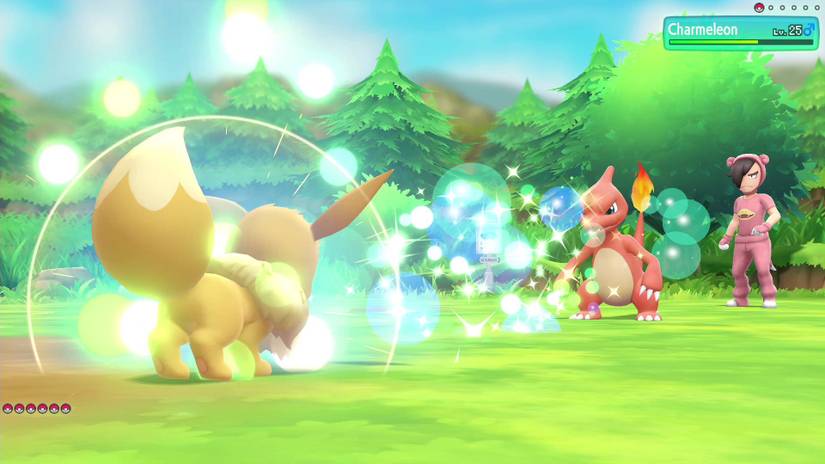
With Pokémon: Let’s Go, Pikachu! and Let’s Go, Eevee! being on Nintendo Switch, we envisioned it from the start that people would mostly be playing it in their living rooms. Up until now, people would get together with Pokémon, but we wanted to take the approach of, “What would a Pokémon in the living room where people get together and are playing with one system look like?” That’s where the features like the simultaneous two-player gameplay where you’re sharing controllers come from.
《宝可梦 Let’s Go 皮卡丘》和《Let’s Go 伊布》登陆 Nintendo Switch,我们从一开始就设想人们主要会在客厅里玩。到目前为止,人们会聚在一起玩宝可梦,但我们想采取这样的思路:“在人们聚在一起、用一台主机玩的客厅里,宝可梦会是什么样子?”双人同时游玩、共享手柄等功能就是由此而来的。
增田顺一
The connection with Pokémon Go, we figured people would be coming from playing Pokémon Go outside. Then they could do something with the game once they’re all together in the living room, sending Pokémon from that into the game and playing with them together with the controllers and Poké Ball Plus. There’s a variety of features in there that […] those kind of gameplay features, they have existed elsewhere, they haven’t been part of Pokémon traditionally, that I think we were only able to think of because we tried to approach it from, “OK, so what do we do with this new console?”
与《Pokémon Go》的联动,我们设想人们会在户外玩《Pokémon Go》之后,回到客厅聚在一起时能在游戏里做些什么,把宝可梦从那边传进来,用手柄和精灵球 Plus 一起玩。里面包含各种功能……这类玩法功能在其他地方已经存在,传统上并不是宝可梦的一部分,我认为我们之所以能想到这些,正是因为我们尝试从“好,那我们用这台新主机做什么”的角度出发。
Polygon
What has it been like to return to the original world and design of Kanto, Red and Blue, and having to re-envision it? What has that been like for the staff who were around back when the original Red and Blue came out?
回到关都、红蓝的原始世界和设计,并不得不重新构想它,感觉如何?对于当年参与原版红蓝的工作人员来说,这又是怎样的体验?
增田顺一
It was tough, of course, with the original people. I mean the staff members who had been around for a long time and also a lot of the newer or the younger staff who had maybe played the games. Everyone had this idea in their head of what the original games were supposed to be. We would just have more of a subjective, I don’t know, discussion type of thing of, like, what we would keep the same or what would we change without destroying the feel, that original kind of feeling that the games gave off.
当然,对原班人马来说很艰难。我指的是那些长期参与的工作人员,以及许多可能玩过这些游戏的新人或年轻员工。每个人心里都有原版游戏应该是什么样子的想法。我们只是进行更多主观的、怎么说呢,讨论式的东西,比如哪些保持不变,哪些在不破坏感觉、不破坏游戏原本散发出的那种感觉的前提下进行改变。
增田顺一
For example, we all agreed that you wouldn’t want to change most of the dialogue or a lot of text messages that appear in the game. Not like cell phone text messages, but text that appears in the game. Because there’s so much, I don’t know, creator’s intent and all of that stuff that was part of those messages, that we didn’t want to just change it just because. But at the same time, stuff like the Pokédex, we figured we could update that design to be something a little bit more useful and people really wouldn’t care too much. It really complicated decisions about what to keep and what to change.
例如,我们都同意,你不会想改变游戏里出现的大部分对话或大量文本信息。不是手机短信那种,而是游戏里出现的文本。因为那些信息里包含了太多,怎么说呢,创作者的意图之类的东西,我们不想仅仅为了改而改。但与此同时,像宝可梦图鉴 App 这样的东西,我们认为可以更新设计,让它更有用一些,人们也不会太在意。这确实让决定保留什么、改变什么变得非常复杂。
增田顺一
[…] Obviously a lot of new players are going to be going through this Kanto adventure for the first time. We wanted to make it so the overall structure is similar, so people who played the original games could give advice to these younger players on the adventure about what to do next. There were just other things that we wanted to streamline a little bit to make it a little bit more of a compact experience.
……显然,很多新玩家将第一次经历这场关都冒险。我们想让整体结构保持相似,这样玩过原版游戏的人就能在冒险中给这些年轻玩家建议下一步该做什么。还有一些其他东西,我们想稍微精简一下,让体验更紧凑一些。
增田顺一
We went back and of course played the Yellow version, for example. If you go back now, it’s actually that there’s some fairly tough parts in there. It maybe takes like 40 hours to complete the game. We knew that we needed to make it a little bit more streamlined for more modern audiences. So really just improving the pace of play without destroying the feel of the original games was how we approached it. If you go back to those original games, they didn’t have free directional movement. It was all on a grid where you’d move one space at a time in a 2D environment, monochrome graphics, and you couldn’t even run back then. Even just those kind of movement changes definitely improved the pace of playing Let’s Go, Eevee! and Pikachu.
我们回去当然玩了黄版。如果你现在回去玩,其实里面有一些相当难的部分。通关游戏可能需要大约 40 个小时。我们知道需要为更现代的受众稍微精简一下。所以,在不破坏原版游戏感觉的前提下真正改善游玩节奏,就是我们采取的方式。如果你回去玩那些原版游戏,它们没有自由方向移动。全都是在网格上,在 2D 环境里一次移动一格,单色画面,那时候甚至不能跑。即使只是这些移动方式的改变,也肯定改善了《Let’s Go 伊布》和《皮卡丘》的游玩节奏。
增田顺一
“The Pokémon creatures themselves — that’s always the core”
“宝可梦生物本身——那始终是核心”
Polygon
Pokémon: Let’s Go!, even though it’s a throwback to Pokémon Yellow, is still very different. How do you retain that core feeling of Pokémon without keeping it the same exact thing over and over?
《宝可梦 Let’s Go》虽然是对《宝可梦 黄》的回归,但仍然非常不同。你如何在不一遍又一遍保持完全相同的情况下,保留宝可梦的核心感觉?
增田顺一
I think at the core of Pokémon [are] the Pokémon creatures themselves — they’re always the core. So we always try to implement new gameplay systems and have new regions and all those new things in each game but where we always make sure we just pay the most attention is expressing those […] the value, I guess you would say, of each of the individual creatures.
我认为宝可梦的核心就是宝可梦这些生物本身——它们始终是核心。所以我们总是尝试在每一款游戏里加入新的玩法系统、新的地区以及各种新东西,但我们始终最重视的,是表现每一只个体生物的价值——大概可以这么说。
增田顺一
We treat them as these really unique creatures with their own characteristics and make them fit in the game world each time in a way that makes sense within the context of that world. Like, Mewtwo is always kind of mysterious, powerful, where Mew is this mythical Pokémon. It wouldn’t have made sense for everyone to have a Mew, for example.
我们把它们当作真正独特的生物来对待,让它们各自拥有自己的特征,并在每次把它们放进游戏世界时,都让它们在那个世界的语境里显得合理。比如超梦总是带着某种神秘而强大的气质,而梦幻则是幻之宝可梦。举例来说,如果人人都有一只梦幻,那就不合理了。
增田顺一
Or even just the more common Pokémon like Weedle. You probably wouldn’t see Weedle using a super powerful attack or move or anything like that. We really just put a lot of focus on making the Pokémon themselves behave within the context of the world a believable way that makes them these appealing and these desirable characters. As long as you have that, the player’s going to want to go out and catch them. That’s kind of the core of what Pokémon is, and we just really put a lot of focus on that every time.
或者哪怕是像独角虫这样更常见的宝可梦。你大概不会看到独角虫使出什么超级强大的攻击或招式之类的。我们确实非常注重让宝可梦本身在那个世界的语境里表现得可信,使它们成为有吸引力、让人想要的角色。只要做到这一点,玩家就会想出去捕捉它们。这大概就是宝可梦的核心所在,而我们每次都非常注重这一点。