2018 Polygon AI翻訳
増田順一が振り返る『赤・緑』開発
 増田順一
増田順一ゲームフリークの増田順一が、初代『ポケットモンスター』の6年にわたる開発の歩み、データ消失の危機、そしてシリーズの核を振り返る。
Contents 全8章
- ——増田さんはポケモンの最初期から関わっていらっしゃいます。初代の開発はどのようなものでし...
- ——本作の発売にあたって、どのような結果を予想されていましたか? 「これはすごいヒットにな...
- ——初代を開発されていた頃の、特に印象に残っている思い出はありますか?
- 開発中はドラマチックな出来事や苦労もあったと思います。発売後に「ああ、このゲームはすごいこ...
- ポケモンは今や巨大な存在になりました。ポケモンが成長していく中で、増田さんご自身やゲームフ...
- 『ポケットモンスター Let's Go! ピカチュウ・Let's Go! イーブイ』は、『...
- 『赤・緑』のカントー地方の世界観やデザインに立ち返り、それを再構築するのはどのような作業で...
- 『ポケットモンスター Let's Go!』は『ポケットモンスター ピカチュウ』への原点回帰...
One of the most exciting things about Pokémon: Let’s Go! is that it’s very much like a throwback nostalgia piece. It’s a new version, of sorts, of the original games. And it feels especially important that these Nintendo Switch games are launching in 2018 — two decades after Pokémon Red and Blue first captivated audiences in North America.
『ポケットモンスター Let’s Go! ピカチュウ・Let’s Go! イーブイ』の最もワクワクする点のひとつは、ノスタルジーを感じさせる原点回帰的な作品になっていることだ。ある意味で、初代ゲームの新バージョンとも言えるだろう。そして、これらのNintendo Switch向けタイトルが2018年に発売されることには特別な意味がある。『ポケットモンスター 赤・緑』(海外版『赤・青』)が北米のファンを魅了してから、ちょうど20年という節目だからだ。
To better connect the dots from then to now, we reached out to one of the people who’s been with Pokémon since before the series took over the world: Game Freak’s Junichi Masuda, who has composed the music for every mainline Pokémon RPG, as well as directed nearly every entry since the Game Boy Advance days. That includes Pokémon: Let’s Go!, which is out this November.
当時と現在をつなぐ物語をより深く掘り下げるため、私たちはシリーズが世界を席巻する以前からポケモンに携わってきた人物のひとりに話を聞いた。ゲームフリークの増田順一氏である。同氏はメインシリーズとなるポケモンRPGすべての音楽を手がけてきたほか、ゲームボーイアドバンス時代以降はほぼすべての作品でディレクターを務めている。今年11月に発売される『ポケットモンスター Let’s Go! ピカチュウ・Let’s Go! イーブイ』もそのひとつだ。
Below, read our full Q&A with the Pokémon veteran, as he recalls working at Game Freak like it was a “college club,” long before the studio broke big — and how life has changed then.
以下では、このポケモンのベテランへのインタビュー全文をお届けする。スタジオが大きく飛躍するずっと前、ゲームフリークでの開発がまるで「大学のサークル」のようだった頃を振り返ってもらったほか、あの頃から生活がどう変わったのかについても語ってくれた。
Polygon
You’ve been around since the beginning of Pokémon. What was it like working on that original game? What was it like at Game Freak back then — that special time when you were still unsure of if this game was going to be a huge hit?
——増田さんはポケモンの最初期から関わっていらっしゃいます。初代の開発はどのようなものでしたか? 当時のゲームフリークはどんな雰囲気でしたか? このゲームが大ヒットするのかどうかまだ分からなかった、あの特別な時期について教えてください。
増田順一
Junichi Masuda, composer and programmer on Pokémon Red/Green/Blue; director of Pokémon: Let’s Go! and many more: At the very beginning, we were still a pretty new company. We were just a few people, and obviously, we didn’t have a lot of huge hits on our hands at Game Freak. We knew we wanted to make games that we all as members at Game Freak wanted to play ourselves. We wanted to make the games that we really cared about wanting to make. At the same time, we had this requirement to run as a company. Obviously, we [needed] payroll and all that, so we needed to make sure that [Pokémon] was also a huge success and it would sell very well.
『ポケットモンスター 赤・緑』『ポケットモンスター 赤・青』で作曲とプログラムを担当し、『ポケットモンスター Let’s Go! ピカチュウ・Let’s Go! イーブイ』など数多くの作品でディレクターを務める増田順一氏:一番最初の頃は、僕らはまだかなり新しい会社だったんです。メンバーも数人しかいなくて、当然ながらゲームフリークには大きなヒット作なんてありませんでした。僕らが分かっていたのは、ゲームフリークのメンバーとして自分たち自身が遊びたいと思えるゲームを作りたいということだけでしたね。本当に自分たちが作りたいと心から思えるゲームを作りたかったんです。でも同時に、会社として運営していかなければならないという現実もありました。当然、給料も払わないといけませんから、『ポケットモンスター』も大成功して、すごく売れるようにしなければならなかったんですよ。
増田順一
It wasn’t always a smooth development. It took about six years for the entire development of the original Red and Green games. We were able to get by by doing other projects for different companies along the way to make ends meet, while also on the side, people who wanted to work on Pokémon within their […] in the time they had from those other projects, to implement interesting ideas that they had and really put in all of their, I guess, really just creative energy into Pokémon.
開発はいつも順調に進んでいたわけではありません。初代の『ポケットモンスター 赤・緑』は、完成までに約6年かかりました。その間、他の会社のプロジェクトを手がけてやりくりしながら、一方で、ポケモンに関わりたいメンバーが……別のプロジェクトの合間の時間を使って、自分の面白いアイデアを実装したり、まさにクリエイティブなエネルギーをすべて注ぎ込んだりしていたんです。
増田順一
It was really because of that kind of teamwork that I think that Pokémon, the original games, just came out to be as interesting and as fun as they were. That also led to their success. We definitely take that kind of […] that teamwork-focused work style, and that’s part of the Game Freak culture now. The team for Let’s Go, Pikachu! and Let’s Go, Eevee!, at the very end, we’re probably about 100 people total. But we started with that core group of people who really had a shared vision of what we want to make and bring our own interesting ideas to the table to really just make it the best game possible. We carry on that kind of philosophy even today.
やっぱり、そういうチームワークがあったからこそ、初代のポケモンがあんなに面白くて楽しいゲームになったんだと思います。それがヒットにもつながりましたね。僕たちは今でも、そうしたチームワークを重視する働き方を受け継いでいて、それはゲームフリークの文化の一部になっています。『ポケットモンスター Let’s Go! ピカチュウ・Let’s Go! イーブイ』のチームは、最終的には全部で100人くらいになりましたけど、最初は、何を作りたいのかというビジョンを共有できるコアなメンバーでスタートしました。それぞれが面白いアイデアを持ち寄って、とにかく最高のゲームにしようとしたんです。そういう考え方は、今でも受け継がれていますね。
Polygon
What were you expecting to come out of the release of this game? Did you guys think, “Oh, we have this huge hit on our hands,” or “We’re very passionate about this game and we just want to get it out?”
——本作の発売にあたって、どのような結果を予想されていましたか? 「これはすごいヒットになるぞ」と感じていたのでしょうか、それとも「このゲームに強い情熱があるから、とにかく世に出したい」という思いだったのでしょうか?
増田順一
When we were first […] about to release the game, actually we were […] it’s six years of development. It really took us that long to get to a point where we could release it. Near the end of development, we started to get really worried because we were [developing it for the] Game Boy.
最初に……発売しようとしていた頃は、実は……開発に6年もかかっていましたからね。発売できるところまで持っていくのに、本当にそれだけの時間が必要だったんです。開発の終盤になると、僕らはすごく不安になってきました。というのも、ゲームボーイ向けのソフトを開発していたからです。
増田順一
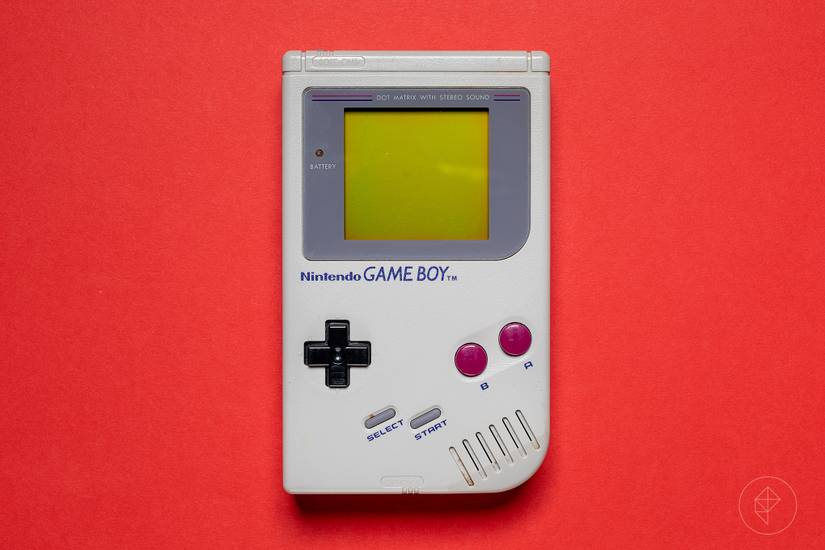
At the time in Japan, the Game Boy had been on a decline. You didn’t really see so many people playing it out and about at that point. Even when we were talking to our friends in the industry and saying that, “Oh, we’re working on a Game Boy game,” they were like, “Really? You’re working on a Game Boy game? That’s not going to sell very well, don’t you think?” That’s kind of what the atmosphere was like in Japan at the time.
当時の日本では、ゲームボーイは下火になりつつあったんです。外で遊んでいる人もあまり見かけなくなっていましたね。業界の友人たちに「ゲームボーイのソフトを作っているんだよ」と話しても、「えっ、ゲームボーイのソフト? それじゃああまり売れないんじゃない?」と言われるような感じでした。当時の日本は、そういう空気だったんです。
増田順一
We really didn’t expect that it would be a massive global success or anything. Back then, even role-playing games — the thinking in Japan was that they really wouldn’t do so well overseas, so we didn’t even think about really releasing it overseas at the time. We were thinking, maybe if we could sell a million units, that would be a great dream-come-true kind of situation, is what we were feeling when we were first releasing it.
ですから、世界的に大ヒットするなんてことはまったく予想していませんでした。当時はロールプレイングゲームですら、日本では「海外ではあまり売れないだろう」と考えられていたので、海外で発売することすら考えていなかったですね。もし100万本売れたら、それはもう夢が叶ったようなすごいことだと思っていました。発売当初は、そんな気持ちだったんです。
Polygon
What are some of the best memories that you can recall from making the original game back then?
——初代を開発されていた頃の、特に印象に残っている思い出はありますか?
増田順一
One of the more happy episodes or more positive stories, I really don’t remember so well, but I think the most memorable […] happening that I still have in my mind after all these years is that we were developing the game on these Unix computer stations called the Sun SPARCstation 1. […] We’re developing, and they’re these Unix boxes, and they crashed quite a bit. Back then, computers would crash fairly frequently.
楽しかったエピソードやポジティブな話は、正直あまりよく覚えていないんですけど、これだけ年月が経った今でも心に残っている一番の出来事があります。僕らはSun SPARCstation 1というUnixのワークステーションでゲームを開発していたんです。……開発を進めていたんですが、これがUnixのマシンで、よくクラッシュするんですよ。当時のコンピューターは、けっこう頻繁に落ちていましたから。
増田順一
Somewhere midway through the development, maybe in the fourth year or so, we had a really bad crash that we couldn’t, we didn’t know how to recover the computer from. That had all of the data for the game, all of the Pokémon, the main character and everything. It really felt like, “Oh my God, if we can’t recover this data, we’re finished here.” I just remember doing a lot of different research. I called the company that I used to work for, seeing if they had any advice to recover the data.
開発の中盤、4年目くらいの頃に、ひどいクラッシュが起きてしまって、どうやって復旧すればいいのか分からない状態になったことがありました。そこにはゲームのデータ、ポケモン全部、主人公のデータなど、すべてが入っていたんです。「うわ、このデータが復旧できなかったら、もう終わりだ」と本当に思いましたね。とにかくいろいろ調べたのを覚えています。以前働いていた会社に電話して、データを復旧する方法についてアドバイスをもらえないか聞いたりもしました。
増田順一
I would go on this internet service provider back then called Nifty Serve. It’s like a Japanese version of CompuServe. I’d go on and ask people that I never talked to for advice on how to recover the data. I would look at these English books about the machine itself, because there wasn’t a lot of information in Japanese, just to figure it out. We eventually figured out how to recover it, but that was like the most nerve-wracking moment, I think, in development.
当時はNIFTY-Serveというインターネットサービスがあって、CompuServeの日本版のようなものなんですけど、そこにアクセスして、面識のない人たちにデータの復旧方法を尋ねたりしていました。日本語の情報があまりなかったので、マシン本体についての英語の本を読んだりして、なんとか解決策を探したんです。最終的には復旧させる方法を見つけ出せましたけど、開発の中で一番ヒヤヒヤした瞬間だったと思いますね。
増田順一
I was one of two programmers on the initial project. I also did the audio and the music in the game, but it was pretty much that the programming was just me and this one other guy. I just remember we both were into techno music at the time. So we would be working late into the night, it’d just be the two of us, and we would turn on this really heavy techno music — make it feel like it’s like a club or something. We would just be programming late into the night doing that, so that was pretty good memories.
初期のプロジェクトでは、プログラマーは僕ともう一人の2人だけだったんです。ゲームのサウンドや音楽も担当していましたけど、プログラミングは実質その2人でやっていましたね。当時、僕らは2人ともテクノミュージックが好きで、夜遅くまで2人きりで作業するときに、すごくヘビーなテクノを大音量で流して、クラブみたいな雰囲気にしたりしていたんです。そうやって夜中までプログラミングしていたのは、やっぱりいい思い出ですね。
Polygon
When you guys were working on it, there were obviously some dramatic times, some difficulties. What was the moment when you realized, “Oh, this game is huge” after you released it? When did you say, “Nope, this is a phenomenon. This is gigantic?”
開発中はドラマチックな出来事や苦労もあったと思います。発売後に「ああ、このゲームはすごいことになった」と実感したのはどの瞬間ですか? 「これはもう社会現象だ、とんでもない規模だ」と思ったのはいつ頃でしたか?
増田順一
The day of release [of Pokémon Red and Green], the whole team that worked on the development, we all went around to some different shops to just see how it was doing. We could tell it was actually selling fairly well. At the time, of course, there was no social media or anything like that, no way to get instant reactions from people. We just didn’t really get a lot of information in a very speedy way, so there was a while there that we didn’t really know exactly how well it was doing.
『ポケットモンスター 赤・緑』の発売日には、開発に関わったチーム全員でいろんなお店を回って、売れ行きを見ていたんです。それで、わりとよく売れているなということは分かりました。当時はもちろんSNSのようなものはありませんし、皆さんの反応をすぐに知る手段もなかったんです。とにかく素早く情報を得る方法がなかったので、しばらくの間は実際にどれくらい売れているのか、正確には分からなかったですね。
増田順一
We started seeing the deposits from Nintendo, obviously. That hinted to us that it was selling pretty well. Then you started to see in the, after a while, the newspapers, you’d see articles talking about how this new Pokémon thing is becoming a big hit with the kids. In Japan, the games came first. It spread in popularity through word of mouth, primarily.
ただ、任天堂からの入金は始まりましたから、それなりに売れているんだなという手応えはありました。それから少し経つと、新聞で「新しいポケモンというものが子どもたちの間で大人気になっている」といった記事を見かけるようになったんです。日本ではゲームが先にあって、基本的には口コミで人気が広がっていきました。
増田順一
It wasn’t until later when you started seeing, “OK, there’s going to be an animated series. Oh, there’s going to be a card game. Now there’s a manga weekly publication.” When those things expanded into this multimedia thing in Japan, we really started to feel like, “Oh wow, this is a big deal now.”
その後になって、「アニメが始まるらしい」「カードゲームが出るらしい」「週刊誌でマンガの連載が始まった」という流れが出てきたんです。そういう形で日本でもマルチメディア展開に広がっていったとき、僕たちは「うわ、これは本当にすごいことになったぞ」と実感し始めましたね。
増田順一
Once the game came out overseas, that was a big hit. I remember just we got all of these requests to review products that people wanted to make. We got so many requests for all these different products that licensees wanted to make, I just remember the number of these requests just being insane at the time. I felt that, “Oh wow, this is really a big deal.” Then we actually visited, I was able to visit the U.S. and see all these different products on the shelves and everything, just see how big it had become even outside of Japan.
海外でゲームが発売されると、それも大ヒットしました。ライセンス先の方々が作りたい商品の監修依頼が、ものすごい数届いたのを覚えています。いろんな商品の依頼が殺到して、その数がとにかくすごかったんですよ。そこで「ああ、これは本当に大変なことになったな」と感じました。その後、僕はアメリカを訪れる機会があって、お店の棚に並んでいるたくさんの商品を実際に目にして、日本以外の場所でもこんなに大きくなっていたんだなと分かったんです。
増田順一
I think part of that was just due to the strategy of releasing it outside of Japan, where they started with the animated series first to get people excited about Pokémon as a universe and then release the game. You could really tell that they […] the strategy just worked really well to make it a huge hit overseas.
それはやはり、日本国外での展開戦略による部分もあると思います。まずアニメを先行させて、ポケモンという世界観への期待を高めてからゲームを出すというやり方ですね。その戦略がすごくうまくいって、海外で大ヒットにつながったんだなと感じました。
Polygon
Pokémon is now a huge phenomenon. How has your life and the life at Game Freak changed over the years as Pokémon has continued to grow — going from this young, smaller studio to developing one of the biggest franchises in the world?
ポケモンは今や巨大な存在になりました。ポケモンが成長していく中で、増田さんご自身やゲームフリークの環境はどのように変わってきましたか? 若くて小さなスタジオから、世界最大級のフランチャイズを開発する組織になるまでの変化について教えてください。
増田順一
Back when we were first making the games, it was less […] We could hardly even be called a company at the time. We were just almost like a college club or something, where people who were interested would just gather and hang out. They’d come to work whenever they want, leave whenever they want. Some people would be sleeping over, because they worked so hard into the night.
最初にゲームを作っていた頃は、もっと……当時の僕らは会社と呼べるようなものではなかったんです。大学のサークルみたいな感じで、興味を持った人が集まってワイワイやっているような場所でしたね。出社したいときに来て、帰りたいときに帰る。夜遅くまで一生懸命作業して、そのまま泊まり込む人もいました。
増田順一
It was just more almost like a little community spot for those of us who were making and working on the games. After the success of Pokémon and as it’s evolved over the years, where now they’re in 3D now and we need more and more staff to be able to make these games, obviously we’ve become a lot more of a proper company — there’s rules in place, and we have to work with other companies and operate like a proper business. That’s probably the biggest change.
ゲームを作っている僕らにとっては、ちょっとしたコミュニティの集まり場のようなものだったんです。でもポケモンが成功して、年月とともに進化していきました。今は3Dになっていますし、ゲームを作るためにどんどんスタッフが必要になりますよね。だから当然、僕らもちゃんとした会社らしくなりました。ルールもありますし、他の企業と一緒に仕事をして、きちんとビジネスとして運営しなければなりません。それが一番大きな変化だと思いますね。
増田順一
“a lot of the people who are now on the team, they also grew up with Pokémon”
「今のチームにいるメンバーの多くも、ポケモンと一緒に育ってきた人たちなんです」
増田順一
As a result of that, I think the initial freedom we had, which allowed us to really just not care about anything, ideas that we wanted to implement in the game, that was how we operated back then. We still try to do that, but it’s obviously become more difficult now that we have this more proper company structure. That’s probably the biggest difference.
その結果、最初の頃に僕らが持っていた自由さ——何も気にせず、自分たちがゲームに入れたいアイデアをとにかく実現できるような環境——そういうやり方は、今でも心がけてはいるんですけど、やはりちゃんとした会社の体制になったことで難しくなっています。そこが一番の違いかもしれませんね。
増田順一
What I mean by that being like a challenge, because we’re a business now with Pokémon being so huge, being able to just rewind is difficult, because a lot of the people who are now on the team, they also grew up with Pokémon. They have an idea of what Pokémon is supposed to be. They’ve played these games, they’ve enjoyed them themselves. Just taking for example, on Let’s Go, Pikachu! and Let’s Go, Eevee!, even the idea of getting rid of wild Pokémon battles and trying something different was obviously met with a lot of resistance at first.
それがなぜ課題になるかというと、ポケモンがこれだけ大きくなって僕らもビジネスとして動いているので、昔のように簡単に巻き戻すのが難しいんです。今のチームにいるメンバーの多くも、ポケモンと一緒に育ってきた人たちなんですよ。彼らの中には「ポケモンとはこういうものだ」というイメージがありますし、自分でゲームを遊んで楽しんできた経験があるんです。たとえば『Let’s Go! ピカチュウ・Let’s Go! イーブイ』でも、野生のポケモンとのバトルをなくして違うことをやろうというアイデアは、最初はやっぱり強い反発を受けました。
増田順一
People were just like, “No. Of course. It’s Pokémon, there’s wild battles. That’s how it is.” There’s a lot of these unspoken rules that people feel [can’t change], but at the same time at Game Freak, we always want to be open to trying new things. If someone has a good idea or wants to try something out, we want to be able to actually do that. That’s just always a challenge that comes up with each project, just making sure that we don’t take anything for granted.
みんな「いや、当然でしょう。ポケモンなんだから野生のバトルはあるものだ、そういうものだよ」と言うんです。こういう、言葉にしなくても「変えてはいけない」とみんなが感じているルールがたくさんあるんですよね。でも同時に、ゲームフリークでは常に新しいことに挑戦する姿勢を持っていたいんです。誰かが良いアイデアを出したり、何かを試してみたいと言ったりしたときに、それを実際にできるようにしたい。どのプロジェクトでも必ず直面する課題で、当たり前だと思っていることを疑うようにしているんです。
増田順一
It’s always just, “What do we want to do with this project? What do we want to try out this time?” We really just discuss it with the team and game and find out what the best direction is for that game. One thing I’m always saying at the beginning of a project, you’re always telling the team is when you’re making a new Pokémon, don’t make Pokémon from Pokémon. Make Pokémon from scratch. What would you do if it wasn’t a Pokémon game? How would you make the game? Always be in that mindset, is what I’m always trying to tell the team.
いつも「このプロジェクトで僕たちは何をしたいのか? 今回はどんなことを試したいのか?」というところから始まります。チームでじっくり話し合って、そのゲームにとって一番良い方向性を探っていくんです。僕がプロジェクトの最初にチームへ必ず伝えていることがあります。新しいポケモンを作るときは、ポケモンからポケモンを作らないでほしい、ゼロからポケモンを作ってほしいということです。「もしこれがポケモンのゲームじゃなかったらどうするか? どうやってゲームを作るか?」。いつもそういう考え方でいてほしいと、僕はずっと伝え続けているんです。
Polygon
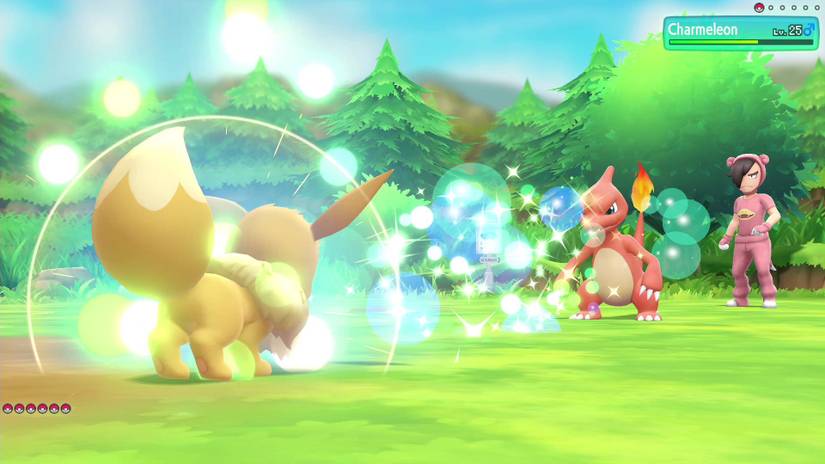
Pokémon: Let’s Go! is based on the Pokémon Red/Blue/Yellow formula, but feels like a reinvention. Since you are telling the team “No, approach it from scratch,” what are some improvements or major changes over those original games that you’re most excited about or surprised by?
『ポケットモンスター Let’s Go! ピカチュウ・Let’s Go! イーブイ』は、『ポケットモンスター 赤・緑』(海外版『赤・青』)や『ポケットモンスター ピカチュウ』の作りをベースにしながらも、まったく新しいものとして生まれ変わったように感じます。先ほど「ゼロからアプローチしてほしい」とチームに伝えているとおっしゃっていましたが、オリジナルのゲームと比べて、今回特にワクワクしている改善点や大きな変更点はありますか?
増田順一
With Pokémon: Let’s Go, Pikachu! and Let’s Go, Eevee! being on Nintendo Switch, we envisioned it from the start that people would mostly be playing it in their living rooms. Up until now, people would get together with Pokémon, but we wanted to take the approach of, “What would a Pokémon in the living room where people get together and are playing with one system look like?” That’s where the features like the simultaneous two-player gameplay where you’re sharing controllers come from.
『ポケットモンスター Let’s Go! ピカチュウ・Let’s Go! イーブイ』はNintendo Switchで発売されるので、最初からみんなリビングで遊ぶだろうなと思って作っていたんです。これまでもポケモンを通じて人が集まることはありましたが、今回は「人が集まって1台の本体で遊ぶリビングという空間では、どんなポケモン体験になるんだろう?」というアプローチをしたかったんですよ。コントローラーを分け合って2人で同時に遊べる機能なんかも、そこから生まれているんです。
増田順一
The connection with Pokémon Go, we figured people would be coming from playing Pokémon Go outside. Then they could do something with the game once they’re all together in the living room, sending Pokémon from that into the game and playing with them together with the controllers and Poké Ball Plus. There’s a variety of features in there that […] those kind of gameplay features, they have existed elsewhere, they haven’t been part of Pokémon traditionally, that I think we were only able to think of because we tried to approach it from, “OK, so what do we do with this new console?”
『Pokémon GO』との連携については、外で『Pokémon GO』を遊んできた人たちが、リビングに集まったときに何かできるんじゃないかと考えました。そこからゲームへポケモンを送って、コントローラーやモンスターボール Plusを使ってみんなで一緒に遊ぶような形ですね。こうした遊びの要素自体は他のゲームにも存在していたんですけど、従来のポケモンにはなかったもので、「この新しいハードで僕たちは何をするのか?」というところから考えたからこそ思いつけたんだと思います。
Polygon
What has it been like to return to the original world and design of Kanto, Red and Blue, and having to re-envision it? What has that been like for the staff who were around back when the original Red and Blue came out?
『赤・緑』のカントー地方の世界観やデザインに立ち返り、それを再構築するのはどのような作業でしたか? また、当時の『赤・緑』が発売された頃からいるスタッフにとっては、どういった経験になりましたか?
増田順一
It was tough, of course, with the original people. I mean the staff members who had been around for a long time and also a lot of the newer or the younger staff who had maybe played the games. Everyone had this idea in their head of what the original games were supposed to be. We would just have more of a subjective, I don’t know, discussion type of thing of, like, what we would keep the same or what would we change without destroying the feel, that original kind of feeling that the games gave off.
やっぱり昔からのメンバーがいる分、大変でしたね。長く携わっているスタッフもいれば、当時ゲームを遊んでいたかもしれない若いスタッフもたくさんいて、みんな頭の中に「オリジナルのゲームはこうだったはずだ」というイメージがあるんです。だから、あの頃の雰囲気を壊さずに何を残して何を変えるのか、主観的な……なんていうんでしょう、議論のようなものを重ねていきましたね。
増田順一
For example, we all agreed that you wouldn’t want to change most of the dialogue or a lot of text messages that appear in the game. Not like cell phone text messages, but text that appears in the game. Because there’s so much, I don’t know, creator’s intent and all of that stuff that was part of those messages, that we didn’t want to just change it just because. But at the same time, stuff like the Pokédex, we figured we could update that design to be something a little bit more useful and people really wouldn’t care too much. It really complicated decisions about what to keep and what to change.
たとえば、ゲーム内で表示されるセリフやテキストの多くは変えたくないよね、というのは全員が一致していました。携帯電話のメッセージじゃなくて、ゲーム内に出てくる文章のことですよ。あそこにはやっぱり作り手の意図みたいなものがすごく詰まっているので、なんとなく変えてしまうのは避けたかったんです。でも一方で、ポケモン図鑑のデザインくらいなら、もう少し使いやすいものに更新しても、みんなそんなに気にしないだろうなと考えたり。何を残して何を変えるかは、本当に難しい判断でしたね。
増田順一
[…] Obviously a lot of new players are going to be going through this Kanto adventure for the first time. We wanted to make it so the overall structure is similar, so people who played the original games could give advice to these younger players on the adventure about what to do next. There were just other things that we wanted to streamline a little bit to make it a little bit more of a compact experience.
[…] もちろん、初めてカントー地方の冒険を体験する新しいプレイヤーさんもたくさんいるはずです。だから全体の構造はオリジナルに近い形にして、当時遊んだ人が若いプレイヤーたちに「次はこうするといいよ」とアドバイスできるようにしたいと思いました。それとは別に、もう少しコンパクトな体験にするために、少し整理した部分もありますね。
増田順一
We went back and of course played the Yellow version, for example. If you go back now, it’s actually that there’s some fairly tough parts in there. It maybe takes like 40 hours to complete the game. We knew that we needed to make it a little bit more streamlined for more modern audiences. So really just improving the pace of play without destroying the feel of the original games was how we approached it. If you go back to those original games, they didn’t have free directional movement. It was all on a grid where you’d move one space at a time in a 2D environment, monochrome graphics, and you couldn’t even run back then. Even just those kind of movement changes definitely improved the pace of playing Let’s Go, Eevee! and Pikachu.
僕らも改めて『ポケットモンスター ピカチュウ』を遊んでみたんですけど、今振り返ると結構難しいところがあるんですよね。クリアまでに40時間くらいかかるかもしれませんし。今のプレイヤーさんに向けて、もう少しテンポよくする必要はあるなと感じていました。だから、オリジナルの雰囲気を壊さずにプレイのテンポをよくする、という方向で進めたんです。当時のゲームって、自由に移動できなかったんですよ。全部マス目で区切られていて、2Dの画面で1マスずつ動くモノクロのグラフィックで、走ることもできませんでした。そういう移動まわりの変更だけでも、『Let’s Go! イーブイ』や『Let’s Go! ピカチュウ』のプレイテンポは確実に良くなっていると思います。
増田順一
“The Pokémon creatures themselves — that’s always the core”
「ポケモンという生き物そのものが、いつも中心にあるんです」
Polygon
Pokémon: Let’s Go!, even though it’s a throwback to Pokémon Yellow, is still very different. How do you retain that core feeling of Pokémon without keeping it the same exact thing over and over?
『ポケットモンスター Let’s Go!』は『ポケットモンスター ピカチュウ』への原点回帰でありながら、やはり大きく違う作品です。毎回同じことを繰り返さないようにしながら、どうやってポケモンらしさの核を保っているのでしょうか?
増田順一
I think at the core of Pokémon [are] the Pokémon creatures themselves — they’re always the core. So we always try to implement new gameplay systems and have new regions and all those new things in each game but where we always make sure we just pay the most attention is expressing those […] the value, I guess you would say, of each of the individual creatures.
やっぱりポケモンの中心にあるのは、ポケモンという生き物そのものなんです。常にそこが核になっています。だから毎作新しいゲームシステムを入れたり、新しい地方を作ったりと色々なことに挑戦していますが、僕らが一番気をつけているのは、それぞれのポケモンが持つ価値……とでも言うんでしょうか、一匹一匹の魅力を引き出すことなんですよ。
増田順一
We treat them as these really unique creatures with their own characteristics and make them fit in the game world each time in a way that makes sense within the context of that world. Like, Mewtwo is always kind of mysterious, powerful, where Mew is this mythical Pokémon. It wouldn’t have made sense for everyone to have a Mew, for example.
僕らは彼らを個性を持った特別な生き物として扱っていて、毎回その世界観の中で自然に馴染むようにゲームに登場させています。たとえばミュウツーはいつも謎めいていて強力で、ミュウは幻のポケモンですよね。だから、みんなが普通にミュウを持っているような設定にはならないんです。
増田順一
Or even just the more common Pokémon like Weedle. You probably wouldn’t see Weedle using a super powerful attack or move or anything like that. We really just put a lot of focus on making the Pokémon themselves behave within the context of the world a believable way that makes them these appealing and these desirable characters. As long as you have that, the player’s going to want to go out and catch them. That’s kind of the core of what Pokémon is, and we just really put a lot of focus on that every time.
ビードルのような、わりとよく見かけるポケモンでもそうです。ビードルがめちゃくちゃ強い技を使う姿は、ちょっと想像できないですよね。ポケモンたち自身がその世界の中で自然に振る舞えるよう、すごくこだわって作っています。そうすることで、魅力的で「欲しい!」と思えるキャラクターになるんです。それができていれば、プレイヤーさんは自然と捕まえに出かけたくなります。それがポケモンの核なんだと思っていて、僕らは毎回そこにすごく力を入れているんです。