GlitterBerri 早期艺术文献特写:宝可梦红绿开发初期概念手稿考证(前篇:胶囊怪兽原案、杉森建早期画作与怪兽诞生哲学)
原始资料
图像作为阅读入口保留;正文仍以可检索、可对照的文字档案为主。
逐段译读
GlitterBerri 早期艺术特写:宝可梦红绿开发初期概念手稿考证(前篇:胶囊怪兽原案、杉森建早期画作与怪兽诞生哲学)
GlitterBerri 早期艺术特写:宝可梦红绿开发初期概念手稿考证(前篇:胶囊怪兽原案、杉森建早期画作与怪兽诞生哲学)
原文
This article takes you through a brief history of the inspiration for Pokémon Red, Blue, and Green, and provides translations for concept art.
译文
本文带你简要回顾宝可梦红、蓝、绿版的灵感起源,并提供概念艺术的翻译。
宝可梦诞生之前
Life Before Pokémon
原文
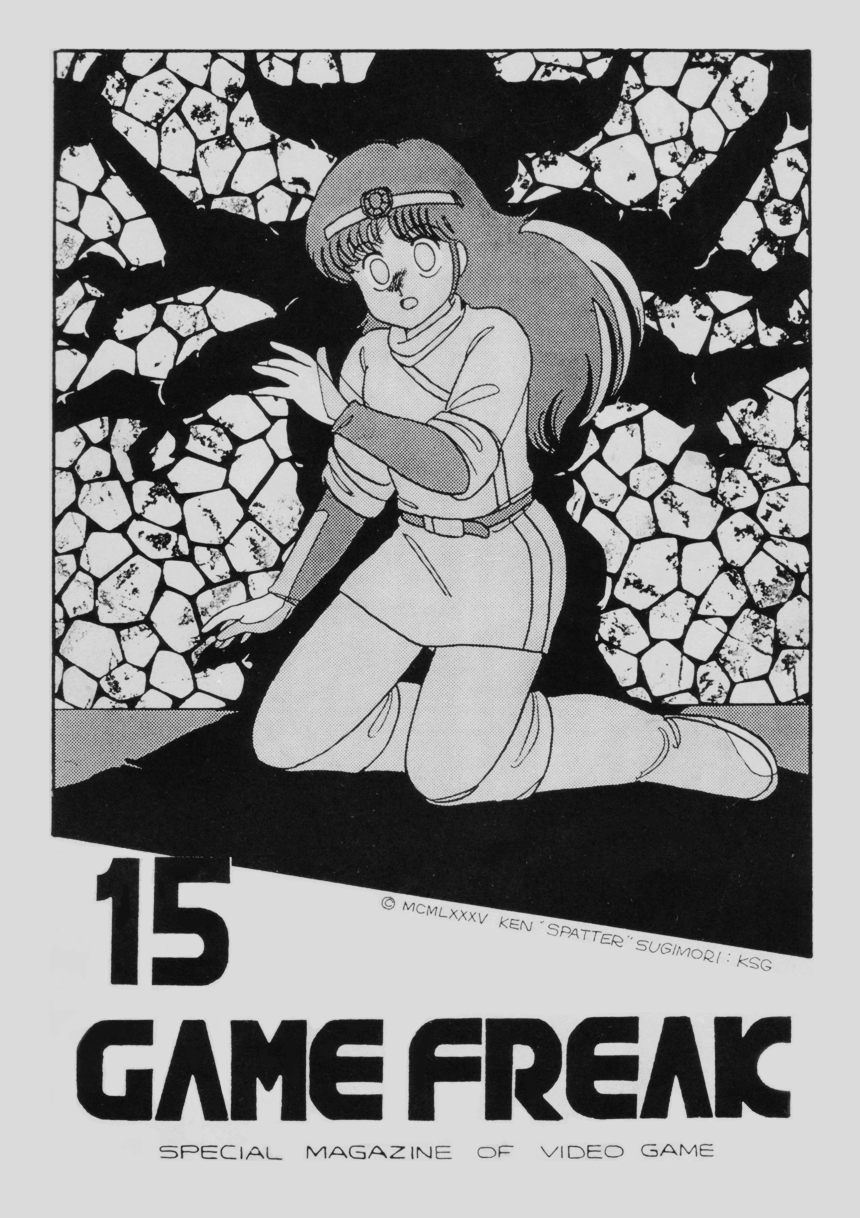
In 1989, two events happened that were important for the development of Pokémon. First off, Nintendo released the Game Boy. 5 days later, future Pokémon developers Satoshi Tajiri and Ken Sugimori turned Game Freak, their self-published gaming fanzine, into a video game company.
译文
1989年,发生了两件对宝可梦开发至关重要的事件。首先,任天堂发布了Game Boy。五天后,未来的宝可梦开发者田尻智和杉森建将他们自行出版的游戏同人志GAME FREAK转变为一家电子游戏公司。
原文
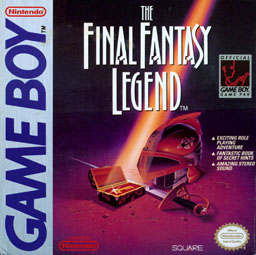
The Game Boy was originally seen as a system geared towards puzzle and action games. Indeed, the handheld saw many releases that fell into these categories. Then came the release of a Square RPG known in English as The Final Fantasy Legend. When Tajiri saw how successful it was, he realized that even non-action games were possible on a portable system.
译文
Game Boy最初被视为一款面向益智和动作游戏的系统。事实上,这款掌机上确实发布了许多属于这些类别的游戏。随后,一款在英文中被称为《魔界塔士 沙加》的史克威尔RPG问世。当田尻智看到它如此成功时,他意识到即使是非动作游戏在便携系统上也是可能的。
原文
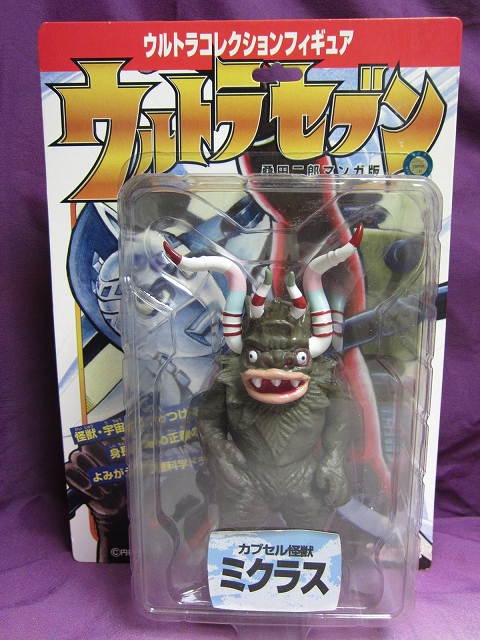
What Tajiri really had his eye on, however, was the Game Boy’s linking functionality. This data transfer system inspired the developer to dream up a game in which players would be able to trade with each other. Tajiri was also a fan of Ultra Seven, a TV fantasy series that was a followup to Ultraman, from which he got the idea of capsule monsters. He adopted the name Capsule Monsters for the RPG he set out to plan. The game, he imagined, would have monsters in containers similar to capsule toys travelling back and forth via the Game Link Cable. In the fall of 1990, Tajiri brought the project proposal he’d created to Nintendo, who decided to fund its development.
译文
然而,田尻智真正看中的是Game Boy的联机功能。这种数据传输系统激发了这位开发者的梦想,他构想出一款玩家能够互相交换的游戏。田尻智也是《赛文奥特曼》的粉丝,这部电视奇幻剧是《奥特曼》的续作,他从其中获得了胶囊怪兽的灵感。他为自己计划中的RPG采用了“胶囊怪兽”(Capsule Monsters)这个名字。他想象中,游戏里的怪兽会像胶囊玩具一样装在容器中,通过Game Link Cable来回传输。1990年秋天,田尻智将他创作的项目企划书带到了任天堂,任天堂决定资助其开发。
原文
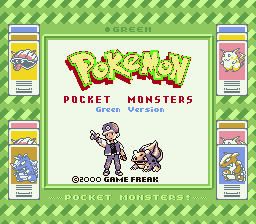
Tajiri was unable to trademark the name Capsule Monsters due to copyright issues, and the shortened version of the game’s name, Capumon, just didn’t sound very nice. Accordingly, he revised the title to Pocket Monsters, which was then shortened to “Pokémon”.
译文
由于版权问题,田尻智无法为“胶囊怪兽”这个名字注册商标,而游戏名称的缩写“Capumon”听起来也不太好。因此,他将标题改为“Pocket Monsters”,后来缩写为“Pokémon”。
胶囊怪兽
Capsule Monsters
原文
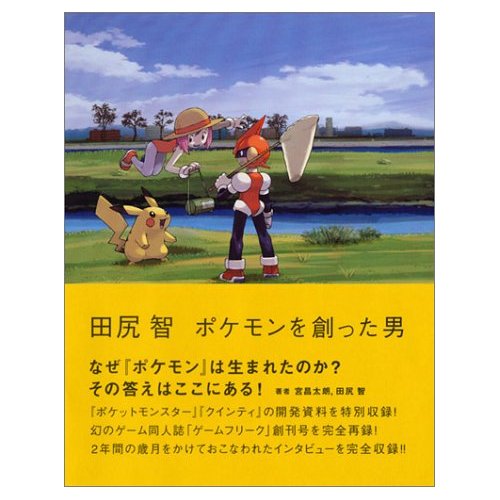
So, just what did that original project proposal for Pokémon look like? In 2009, a book was released in Japan that provided us with a glimpse. Known as Satoshi Tajiri: The Man who Created Pokémon (ISBN: 4840127751), it covered the development history of a number of Game Freak games, including the early Pokémon titles.
译文
那么,宝可梦最初的那份项目企划书究竟是什么样的呢?2009年,日本出版了一本书,让我们得以一窥究竟。这本书名为《田尻智:创造宝可梦的男人》(ISBN: 4840127751),它涵盖了许多GAME FREAK游戏的开发历史,包括早期的宝可梦作品。
原文
I initially found a cache of images from this book on an alternative gaming news site called Tikisaurus. I searched around the web to find a couple more, and combined it with previously-translated developer interviews to bring you a look at Pokémon’s early history!
译文
我最初在一个名为Tikisaurus的另类游戏新闻网站上发现了这本书中的一批图片。我在网上搜索,又找到了几张,并结合之前翻译的开发人员访谈,为你呈现宝可梦的早期历史!
Archive record 档案信息
- Date
- 1990.12.01
- Source
- 未标注来源
- People
- 未标注
- Game / Work
- 未标注
- Page
- 未标注
- Language
- ja
- Status
- published